
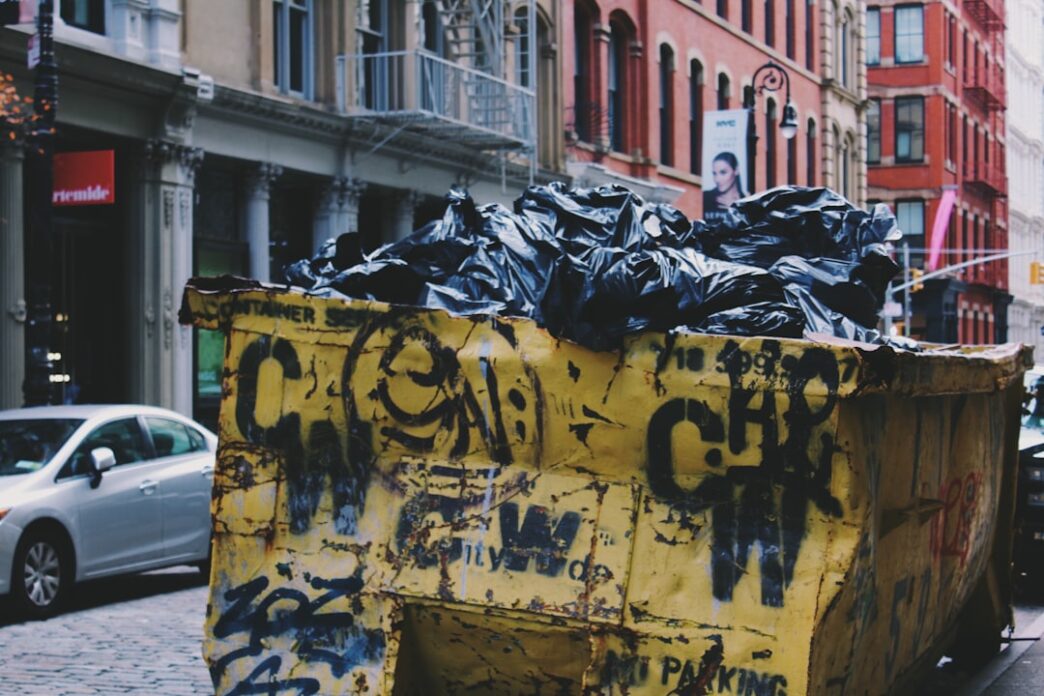
As the world grapples with a looming environmental crisis, a transformative economic model is gaining traction: the circular economy. This approach is not merely a buzzword; it represents a paradigm shift in how societies view resources and waste. By prioritizing sustainability, nations and companies alike are beginning to see the economic advantages of reducing waste and reusing materials.
Countries like the Netherlands are at the forefront of this movement, with a national goal of becoming fully circular by 2050. The Dutch government is fostering collaborations between businesses, municipalities, and research institutions to innovate practices that minimize waste. For instance, the city of Amsterdam has implemented a program encouraging the reuse of building materials, significantly reducing the need for new resources and lowering construction costs.
A case worth noting is the fashion industry, notorious for its environmental impact. Organizations like the Ellen MacArthur Foundation are leading initiatives to rethink the lifecycle of textiles. Brands are being urged to adopt circular practices, such as designing clothes for longevity and recycling old garments into new items. This not only reduces waste but opens new markets for recycled materials, effectively transforming what was once discarded into valuable assets. The economic implications are staggering; a report from the World Economic Forum estimates that circular fashion could unlock $500 billion in value by 2030.
Shifting from linear to circular economic models also addresses pressing issues of resource scarcity. As traditional resource extraction becomes more challenging, rethinking how materials are utilized can lead to significant savings. Companies engaged in this practice report reduced costs and increased resilience against supply chain disruptions. In the automotive sector, for instance, manufacturers are exploring ways to recycle components from end-of-life vehicles, reducing reliance on new metal extraction and enhancing profitability.
However, the transition to a circular economy is not without its challenges. Existing regulatory frameworks often favor linear models, creating barriers for businesses looking to innovate. Incentivizing circular practices through policy changes can catalyze a broader adoption. Governments should consider tax incentives for companies that invest in sustainable practices or penalties for excessive waste production.
Innovative financing mechanisms are also emerging to support this transition. Organizations like the Circular Economy Fund in the United Kingdom are providing capital to businesses that demonstrate a commitment to sustainability. This funding enables startups and established companies to pilot new circular initiatives, thus fostering an ecosystem of innovation.
On a community level, the circular economy offers a pathway to job creation, especially in emerging markets. Countries with abundant resources and high unemployment can benefit significantly from embracing circular principles. For instance, regions in sub-Saharan Africa are increasingly focusing on waste recycling as a means of livelihood, empowering local entrepreneurs to turn waste into marketable products.
The circular economy isn’t just a fleeting trend; it’s a necessary evolution in our economic thinking. By reimagining waste as a resource, countries can create jobs, boost local economies, and contribute positively to the environment. As the urgency for sustainable practices grows, the pressure is on businesses and policymakers to harness the economic potential of this transformative model. The question remains: will they seize the opportunity to lead the charge towards a more sustainable future?