In recent years, a significant shift has been observed in the global economic landscape, particularly in the realm of manufacturing. As nations grapple with the realities of disrupted supply chains, rising transportation costs, and geopolitical tensions, many are beginning to reshore production capabilities that were previously outsourced. This repositioning not only aims to enhance economic resilience but also presents a unique opportunity for local economies to flourish in a new way.
Consider the automotive industry, with Ford Motor Company leading the charge in the U.S. After decades of offshoring, Ford announced plans in 2021 to invest $11.4 billion to build electric vehicle (EV) manufacturing plants across the Midwest. This move underscores a broader trend: companies are recognizing that proximity to consumers is increasingly valuable, particularly in an era characterized by rapid technological advancements and shifting consumer preferences. By resuming domestic manufacturing, firms can reduce lead times, mitigate risks associated with overseas suppliers, and respond swiftly to market demands.
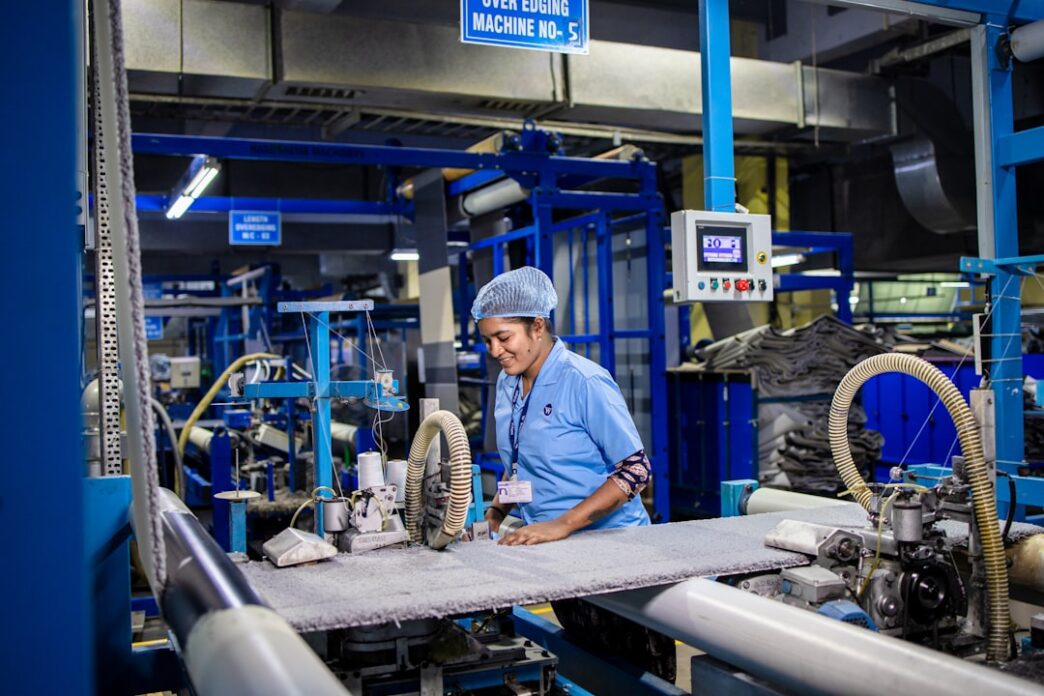
Yet, reshoring is not solely about corporate strategy. It also holds profound implications for labor markets. As industries transition back to domestic bases, there is a growing need for skilled workers. The resurgence of manufacturing jobs can foster economic revitalization in regions that have suffered from job losses over the decades. States like Michigan and Ohio, long impacted by the decline of traditional manufacturing, are now seeing a renewed interest in workforce development programs aimed at retraining workers for advanced manufacturing roles.
Moreover, the pandemic exposed vulnerabilities within global supply chains. The semiconductor shortage, for instance, crippled industries from automotive to consumer electronics. In response, the U.S. government has initiated policies aimed at bolstering domestic semiconductor production. The CHIPS Act, enacted in 2022, allocates $52 billion for semiconductor manufacturing and research, illustrating a commitment to self-sufficiency in high-tech industries. This strategic pivot not only addresses immediate supply chain disruptions but also reinforces long-term economic stability.
Countries across Europe are likewise embracing reshoring. In Germany, policymakers are investing heavily in digital infrastructure to support local manufacturing efforts. The German government has recognized that modern manufacturing requires not only physical plants but also a robust digital ecosystem to facilitate automation and data analytics. By integrating advanced technologies such as artificial intelligence and the Internet of Things, German manufacturers are poised to become leaders in high-efficiency production.
Critically, reshoring also aligns with the growing demand for sustainable practices. Consumers today are increasingly conscious of their environmental impact, often preferring products made locally. By bringing manufacturing closer to home, companies can reduce transportation emissions and foster greener production practices. Organizations like Patagonia, a leader in sustainable apparel, have long championed local production as part of their commitment to environmental stewardship. As a result, they not only cater to a niche market but also contribute to a broader movement endorsing responsible consumption.
Despite the promise of reshoring, challenges remain. Labor shortages, skills mismatches, and rising costs present obstacles that require innovative solutions. As economies pivot back to local manufacturing, investment in education and training will be crucial to equip the workforce for the jobs of tomorrow.
The narrative of reshoring is one of adaptation and opportunity. As nations reassess their manufacturing strategies in light of recent global disruptions, the potential for economic revival is tangible. The question remains: will this reawakening foster a sustainable, resilient economic future or merely revert to past practices once stability is restored?