
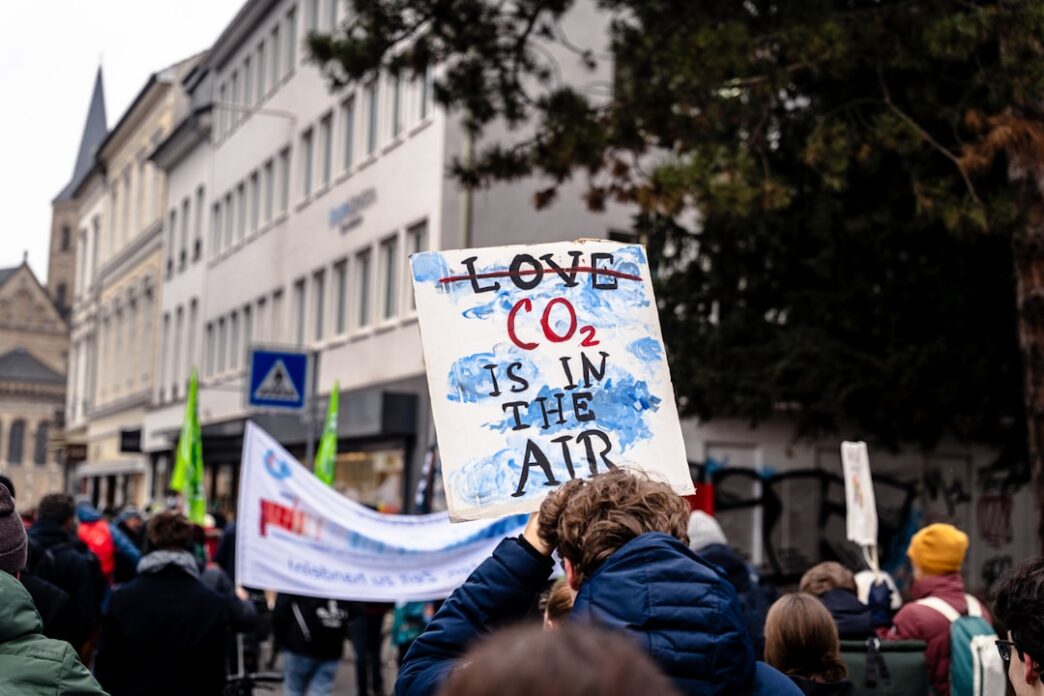
In the quest to address climate change, nations are increasingly turning to a mechanism that once faced skepticism: carbon pricing. This economic strategy aims to assign a cost to carbon emissions, thereby incentivizing businesses and consumers to reduce their carbon footprints. As countries grapple with their responsibilities under international agreements like the Paris Accord, the adoption of carbon pricing is gaining momentum across various regions.
Consider the European Union’s Emissions Trading System (ETS). Launched in 2005, the ETS has evolved into one of the largest carbon markets worldwide, covering approximately 40% of the EU’s greenhouse gas emissions. Through a cap-and-trade model, the system allows companies to buy and sell emissions allowances, fostering a marketplace that encourages efficiency. For many firms, the financial implications of exceeding their carbon limits are becoming a real concern. This financial pressure is cultivating innovation as companies invest in cleaner technologies.
Beyond Europe, Canada has emerged as a noteworthy example of carbon pricing implementation. The Canadian federal government introduced a carbon pricing plan that mandates provinces and territories to adopt either a carbon tax or an emissions trading system. Alberta’s approach, which employs a hybrid model, showcases the potential for adaptability in diverse political landscapes. By harmonizing economic incentives with environmental accountability, Canada is setting a precedent that could influence other nations.
However, the approach is not without its critics. Detractors argue that carbon pricing can disproportionately impact low-income households, which spend a larger portion of their income on energy. To address these concerns, both the EU and Canada are incorporating measures to protect vulnerable populations. For instance, in Germany, revenues generated from carbon pricing are being utilized to fund renewable energy initiatives and provide rebates for low-income families.
The economic rationale behind carbon pricing is compelling. According to a report by the World Bank, carbon pricing can generate significant revenue that governments can reinvest into green technologies and infrastructure. This creates a dual benefit: reducing emissions while simultaneously stimulating economic growth in emerging sectors. Countries with robust carbon pricing mechanisms are not only setting themselves up for long-term sustainability but are also positioning themselves as leaders in the burgeoning green economy.
Moreover, the potential for international cooperation cannot be overlooked. With the introduction of global carbon markets, countries could trade emissions allowances, leading to more efficient reductions in greenhouse gases. This cooperative approach could be particularly beneficial for developing nations, as it allows them to access capital and technology from wealthier countries while contributing to global climate goals.
As the political landscape continues to shift towards prioritizing environmental sustainability, carbon pricing stands out as a pragmatic solution. Businesses and governments alike are increasingly recognizing that market-based approaches can serve as effective tools for addressing the climate crisis. The path ahead will require negotiation, adaptation, and a willingness to confront entrenched interests, but the potential benefits for both the economy and the planet are worth the effort.
Through the lens of real-world implementations in Europe and Canada, it becomes clear that carbon pricing is not merely an environmental strategy; it is an essential component of modern economic policy. As more countries explore this avenue, the global economic landscape may very well be reshaped by the invisible hand of pricing, guided by the urgent need for sustainability.