In an era increasingly defined by climate concerns, the pivot toward renewable energy is not merely an environmental imperative; it’s an economic revolution. Countries that once lagged behind in technology adoption are now witnessing unprecedented growth fueled by green investments. Take India, for example, where the government has committed to achieving 450 GW of renewable energy capacity by 2030. The implications for economic development are profound, particularly for emerging markets.
Consider the solar energy sector in India. In the past decade, the cost of solar energy has plummeted by approximately 90%. This drop has not only made solar installations financially viable but has also galvanized local economies. The International Renewable Energy Agency (IRENA) reported that renewable energy employment in India surpassed 1.1 million jobs in 2020, a number that continues to grow. This transformation is not just about energy but also about creating a new workforce, equipping young people with the skills needed in a green economy.
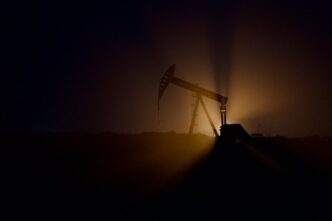
In contrast, the fossil fuel industry, once the bedrock of economic stability in many regions, is facing obsolescence. Countries like Nigeria, heavily reliant on oil exports, are grappling with the dual challenge of declining oil prices and increasing calls for sustainability. As global markets shift towards greener alternatives, Nigeria’s economic dependence on oil may become a significant liability. The paradox is stark: nations rich in natural resources may find themselves at a disadvantage if they fail to diversify.
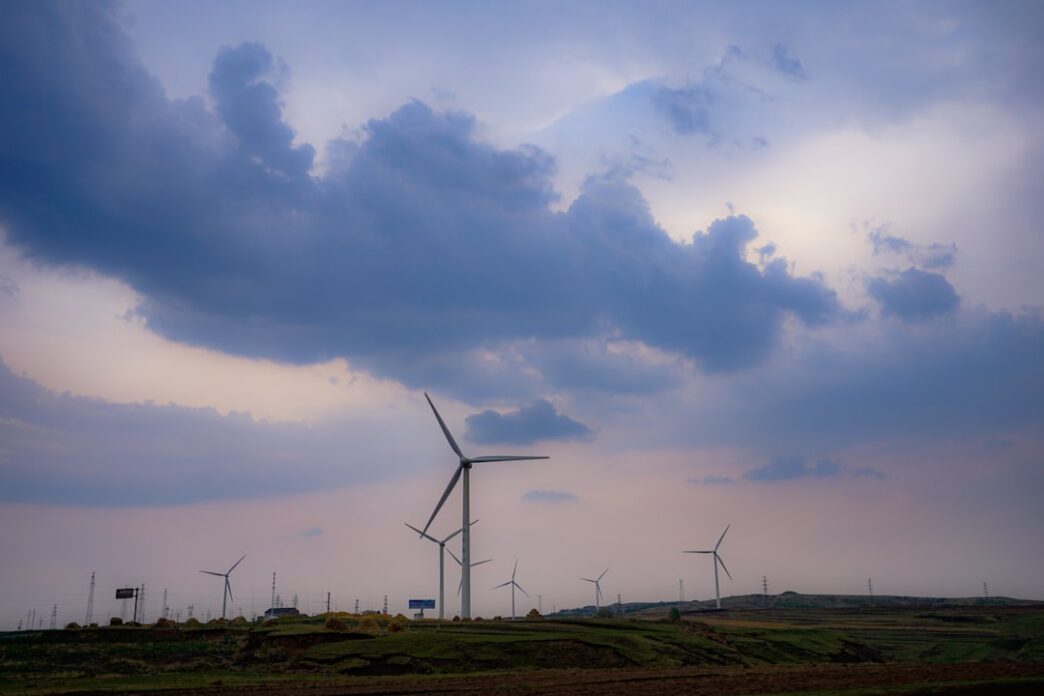
China exemplifies both the opportunity and the challenge presented by the green transition. As the world’s largest emitter of greenhouse gases, it has taken aggressive steps to lead in renewable technologies. With substantial investments in wind and solar, China is not just aiming to cut down on emissions but also to dominate the global renewable supply chain. It accounted for nearly 40% of global renewable energy investments in 2020, showcasing its ambition. However, the country faces mounting criticism regarding its environmental practices, particularly regarding rare earth mining, which raises questions of sustainability.
The economic implications extend beyond borders. The European Union, in a bid to become the world’s first climate-neutral continent by 2050, is rolling out initiatives like the European Green Deal, which aims to accelerate the transition towards a low-carbon economy. This policy is creating a ripple effect in emerging markets that are looking to attract foreign investment. By aligning with EU standards, countries in Africa and Southeast Asia are finding new pathways to trade partnerships, essentially rebranding themselves as green investment hubs.
Investment in renewable energy is not without its risks. The volatility of technology, competition for resources, and the need for new infrastructure can pose challenges. However, the potential rewards—both economic and environmental—are too significant to ignore. The transition is already influencing global supply chains, forcing companies to rethink their operations, often investing in more sustainable practices to align with consumer demands for eco-friendly products.
As the momentum builds, the world is witnessing a realignment not just in energy production but in the very fabric of economic relationships. Nations that embrace this green transition may not only mitigate climate change but could also find themselves emerging as leaders in the new economy—one that values sustainability as much as growth.