In a world grappling with resource scarcity and environmental degradation, a shift towards circular economies is gaining traction, particularly in emerging markets. This model encourages a fundamental rethinking of how we perceive waste—not as a burden, but as a potential economic asset.
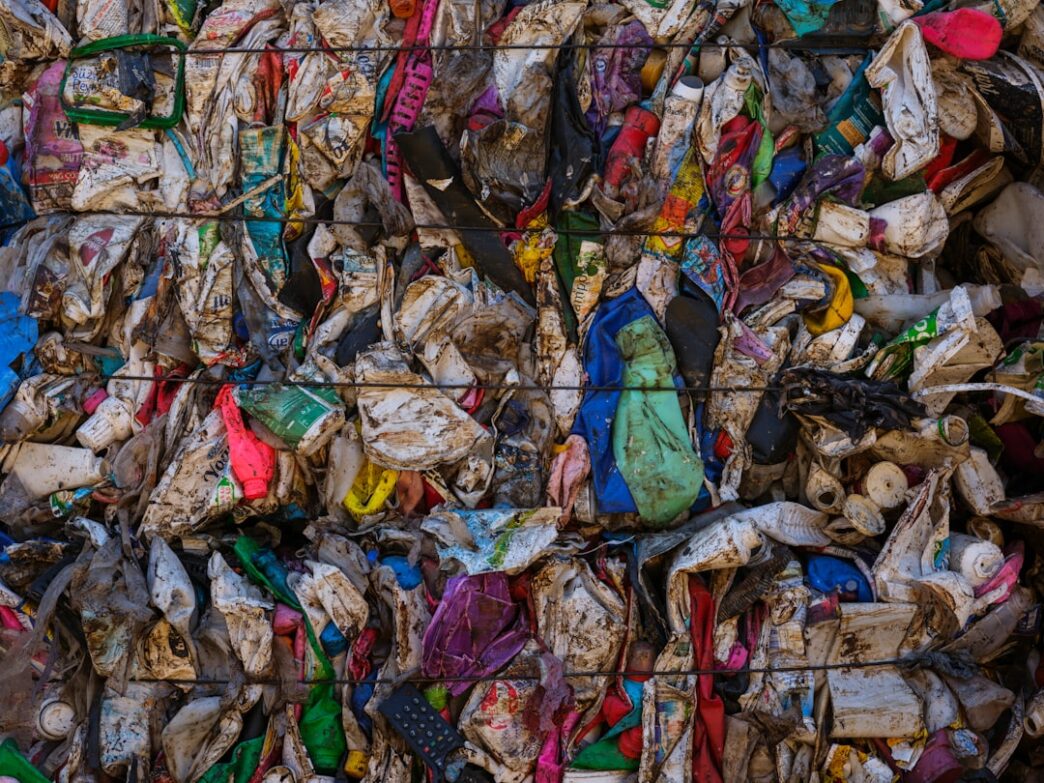
Take Kenya, for example. The country has recently embraced a circular economy approach, particularly in its burgeoning plastics sector. The National Environmental Management Authority has implemented stringent regulations on plastic waste, inspiring local innovators to devise solutions that transform discarded materials into valuable products. One noteworthy initiative is the creation of plastic bricks, which offer a sustainable alternative to traditional construction materials. This not only addresses the waste crisis but also opens up new markets for eco-friendly construction.
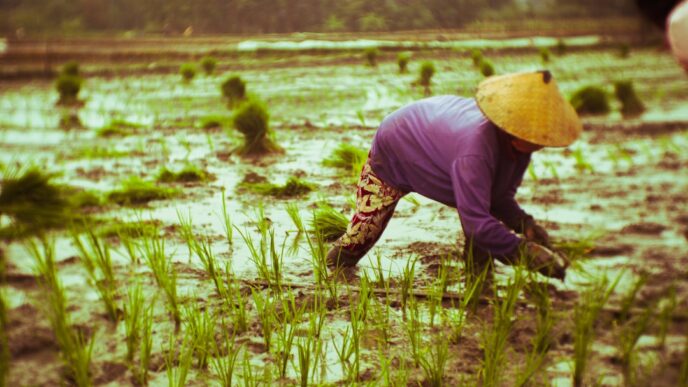
In Indonesia, the circular economy is taking root in the agricultural sector. Farmers are increasingly adopting techniques that allow them to recycle waste, such as composting organic byproducts to enrich soil. This practice not only reduces agricultural waste but also improves crop yields. Organizations like the Indonesian Food Security Agency are actively promoting these sustainable practices, demonstrating how economic and environmental goals can align.
The textiles industry is another area ripe for circular innovations. In countries like Bangladesh, where the garment sector is a crucial economic driver, brands and manufacturers are beginning to rethink how they manage the lifecycle of clothing. The rise of “slow fashion” emphasizes the importance of durability, repair, and recycling. Initiatives such as the Bangladesh Garment Manufacturers and Exporters Association’s (BGMEA) collaboration with sustainability startups are paving the way for a circular approach that reduces waste while fostering economic growth.
However, the transition is not without challenges. Traditional business models often prioritize short-term profitability over long-term sustainability, leading to resistance from established players. Many policymakers still lack the comprehensive frameworks needed to facilitate this economic shift. For emerging markets to fully embrace circular economic models, strong governmental support and proactive engagement with the private sector are essential.
Investment in education also plays a pivotal role. For instance, in South Africa, initiatives aimed at training young entrepreneurs in waste management and recycling are burgeoning. Organizations like the Waste Management Bureau are spearheading programs that equip youth with the skills needed to turn waste into viable business opportunities. This is not just a job-creation strategy; it fosters a culture of innovation that can lead to new industries altogether.
Transitioning to a circular economy can also have profound implications for international trade. Countries that pioneer in circular practices may find themselves with a competitive edge, not only attracting foreign investment but also influencing global supply chains. The European Union’s Green Deal, which emphasizes sustainable production, could set a precedent that emerging economies might follow to secure their place in a rapidly changing global marketplace.
As emerging markets continue to explore circular economies, the narrative surrounding waste is poised to evolve. By viewing waste as an economic opportunity rather than a liability, nations can cultivate innovative solutions that drive growth, enhance sustainability, and create resilient communities. The question remains: will the world embrace this paradigm shift, or will it cling to antiquated notions of waste? The answer may determine the trajectory of economic development in the coming decades.