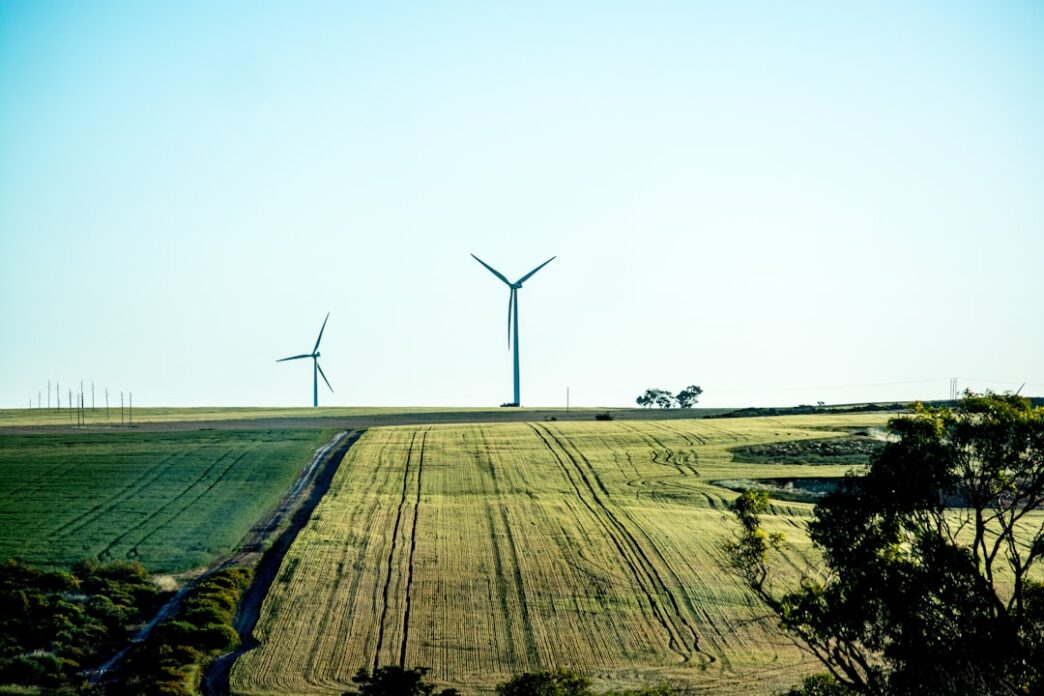
In an age where renewable energy promises to be the cornerstone of sustainable development, a new barrier has emerged that threatens to deepen economic inequality: the digital divide. While countries like Germany and Denmark lead the charge in transitioning to clean energy, access to renewable technologies is not uniform. The intersection of technology and energy access reveals disparities that can hinder economic equity, particularly in emerging markets.
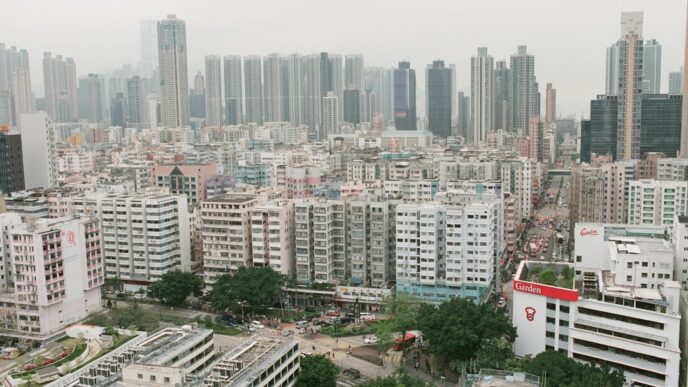
To paint a clearer picture, consider Kenya, where the government has made significant strides in deploying solar energy solutions. Organizations like M-KOPA have pioneered pay-as-you-go solar systems that allow low-income households to access affordable energy. Yet, the success of such innovations is critically dependent on digital connectivity. Many rural communities still lack reliable internet or even basic mobile phone access, which limits their ability to engage with and benefit from these technologies. This places them at a disadvantage compared to urban populations that can easily access information and services.
Take the case of the African Development Bank’s initiative to promote renewable energy projects across the continent. While the initiative has set ambitious targets for increasing energy access, the banks’ effectiveness is hampered by the digital barriers that persist in many regions. Without the ability to leverage data and technology, tracking and optimizing energy usage becomes a formidable challenge. This not only affects the adoption rates of renewable technologies but also impacts local economies reliant on energy for growth and innovation.
In contrast, countries with robust digital infrastructures can quickly pivot towards renewable solutions. For example, in the United States, tech-forward states like California have integrated their renewable energy policies with digital innovations such as smart grids. These systems allow for real-time energy management, reducing waste and increasing efficiency. The result? A more resilient economy that can better weather energy crises and shifts in demand.
However, the question remains: how can policy-makers narrow this digital divide to ensure equitable access to renewable energy? Solutions range from investing in digital infrastructure in underserved areas to providing training and resources that enhance digital literacy. The challenge is vast, yet the potential rewards are considerable. As renewable energy becomes increasingly important for economic stability, bridging the gap for those currently left behind could unlock vast economic potential.
The electric vehicle (EV) market presents a relevant example. Companies like Tesla are making headlines for their innovations, yet access to charging stations is unevenly distributed. Urban areas boast a plethora of charging options while rural areas struggle, often due to a lack of digital mapping and planning tools that can help identify optimal charging locations. This not only stymies the growth of the EV market but also reinforces existing economic disparities between urban and rural communities.
Addressing the digital divide in access to renewable energy is not merely an environmental issue; it’s a pressing economic concern. The potential for job creation in the renewable sector is enormous, but without equal access to technology, many individuals and communities will remain on the outside looking in. As nations forge ahead in their renewable energy agendas, ensuring that these advancements are inclusive will be crucial for fostering a fair and sustainable economic landscape.