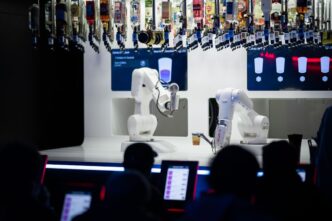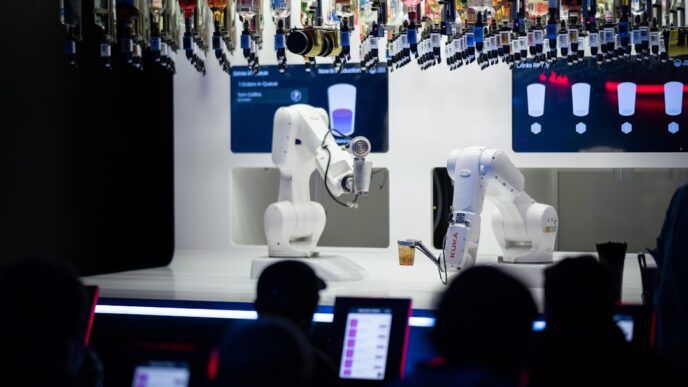
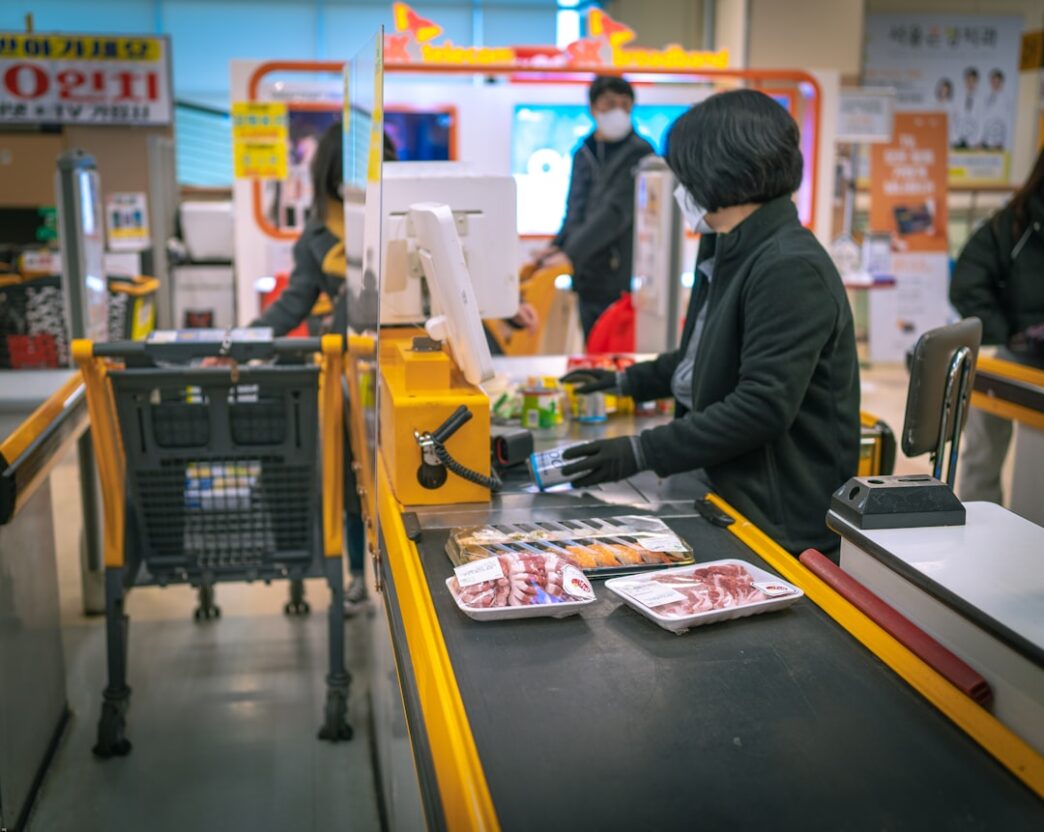
In a world where the lines between physical and digital realities are becoming increasingly blurred, labor markets are undergoing a transformation that could have far-reaching implications. As automation and artificial intelligence reshape industries, the way we think about work, jobs, and even careers is shifting dramatically.
Take the logistics sector, for instance. The rise of autonomous vehicles and drones is revolutionizing how goods are transported. Companies like Amazon are piloting drone deliveries, promising to cut down delivery times significantly. Yet, this innovation raises an unsettling question: what happens to the millions of delivery drivers whose livelihoods depend on traditional methods of transport? This scenario is emblematic of a larger trend—technological advancements often displace workers before new job opportunities are created.
At the same time, remote work has accelerated in ways that some labor economists had predicted would take years to materialize. The COVID-19 pandemic acted as a catalyst, pushing businesses to adopt flexible work models almost overnight. According to a report from McKinsey, nearly 20 to 25 percent of the workforce in advanced economies can work remotely three to five days a week without loss of productivity. This newfound flexibility has led to a significant shift in how organizations approach hiring, with many now casting their nets wider to recruit talent regardless of geographic location.
However, while remote work opens up opportunities for many, it also risks exacerbating existing inequalities. Workers in tech-savvy cities are more likely to benefit from remote work options compared to those in regions with fewer resources. The digital divide is real; areas lacking robust internet infrastructure face significant disadvantages in accessing remote job opportunities, leaving many workers behind.
Consider the case of India, where the IT sector has witnessed a boom in remote job offerings. Yet, in rural areas, only 30% of households have access to reliable internet. The divide in access creates two disparate labor markets—one flourishing and the other stagnating. Policymakers must recognize these disparities and implement strategies to ensure equitable access to technology and job opportunities, which could include investing in broadband infrastructure and training programs.
Furthermore, the gig economy has emerged as an alternative for many seeking immediate income. According to a study by the International Labour Organization, nearly 60% of new jobs created since the pandemic have been in the gig economy. While this offers flexibility and autonomy, it also leaves many workers without the benefits associated with traditional employment, such as healthcare and retirement plans.
In many sectors, particularly in creative fields, individuals are rethinking job security, often favoring freelance projects over stable positions. This shift is indicative of a larger cultural change, as the value placed on work-life balance and personal fulfillment overtakes the traditional notion of a “job for life.” Companies are adapting, recognizing that to attract and retain talent, they must offer not just competitive salaries, but also meaningful work and flexible environments.
As we navigate this evolving landscape, it is critical for businesses, governments, and educational institutions to collaborate. Upskilling and reskilling programs will be necessary to prepare workers for the jobs of tomorrow, which will likely require entirely new skill sets.
The labor market is not simply changing; it is being redefined. In this new paradigm, adaptability and innovation will be as crucial as any formal educational credential. Those prepared to embrace these changes will thrive, while others may find themselves on the sidelines, struggling to catch up in an economy that moves faster than ever before.