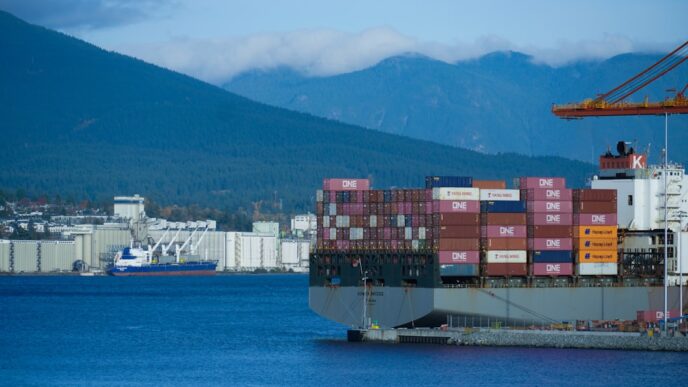
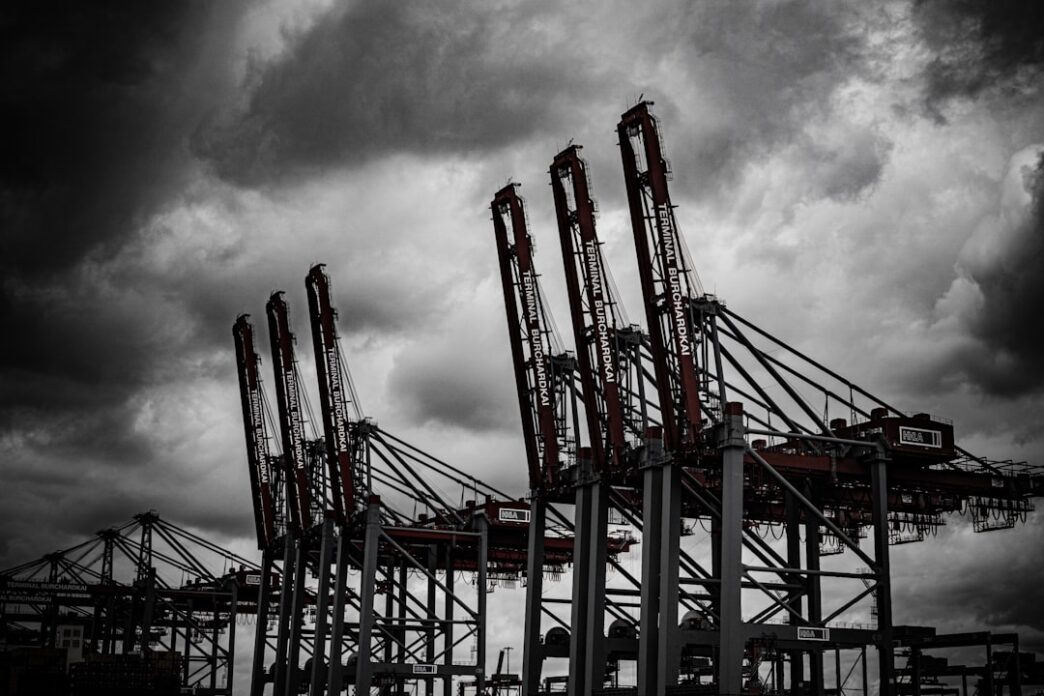
The world is witnessing an intricate shift in how economies interact, marked by a phenomenon known as economic decoupling. This trend, driven by geopolitical tensions and pandemic-induced disruptions, is reshaping global supply chains and fundamentally altering trade dynamics. Countries are re-evaluating their dependencies, and this reconfiguration is not without significant implications.
Consider the case of the United States and China. As tensions between these two powers escalate, American companies are increasingly scrutinizing their reliance on Chinese manufacturing. The recent trade policies instituted by the Biden administration have emphasized onshoring and diversification of supply sources, a move that reflects a growing sentiment for economic independence. While the rhetoric often focuses on national security, the underlying economic motivations are equally significant.
Data from the Reshoring Initiative, a non-profit organization dedicated to bringing manufacturing jobs back to the U.S., indicates that over 1,800 companies announced reshoring initiatives in 2021 alone. This is a clear signal that businesses are not merely reacting to tariffs or trade barriers but are proactively seeking to mitigate risks associated with concentrated supply chains. The pandemic highlighted vulnerabilities; when factories in China shuttered, the ripple effects were felt in industries ranging from electronics to automotive.
In parallel, countries in Southeast Asia are seizing the opportunity to attract foreign direct investment. Nations like Vietnam and Indonesia have become attractive alternatives for companies looking to diversify their supply base. The Vietnamese government has actively pursued favorable trade agreements, such as the Comprehensive and Progressive Agreement for Trans-Pacific Partnership (CPTPP), to bolster its position in global trade. As a result, Vietnam’s exports surged by nearly 20% in 2021, as businesses scrambled to secure new manufacturing locales.
But it’s not just about moving operations; it’s a philosophical shift in how countries perceive their economic futures. The European Union, with its Green Deal, is pushing for a resilient supply chain that prioritizes sustainability alongside economic growth. This initiative recognizes that environmental concerns are now intertwined with trade policies. The EU’s approach advocates for a circular economy, reducing reliance on imports by enhancing local production capabilities, especially in green technologies.
However, this dance of decoupling presents challenges. Emerging markets, often reliant on exports to developed economies, risk facing economic isolation. For example, countries in Africa that have built business models around exporting raw materials to China might find themselves in precarious situations as demand fluctuates due to shifting supply chains. The African Union has acknowledged this risk and is promoting intra-Africa trade through initiatives like the African Continental Free Trade Area (AfCFTA), aiming to create a more self-sustaining economic environment.
Critics argue that decoupling could lead to increased prices for consumers and inefficiencies in production. A fragmented global economy may hinder technological advancement and innovation, which often thrive on collaboration across borders. The World Bank has cautioned that such a scenario could slow global GDP growth, potentially igniting inflationary pressures.
The unfolding narrative of economic decoupling is complex and multifaceted. It embodies a shift in geopolitical alliances, environmental ideals, and production strategies. As nations navigate these turbulent waters, the economic landscape will be shaped by their ability to balance resilience with interdependence. The real question remains: will economic decoupling lead to enhanced stability, or will it merely sow the seeds of future conflict? The answers lie in the hands of policymakers, businesses, and consumers alike, all of whom will play a crucial role in defining the new economic order.