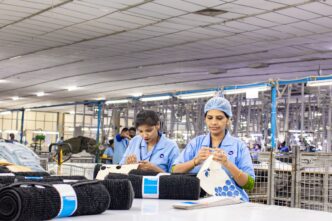

As global supply chains continue to face disruptions, a novel trend is emerging: localized manufacturing. This approach is not merely about reducing reliance on overseas production; it’s a strategy aimed at revitalizing local economies by harnessing community strengths. Take, for example, the city of Detroit, long known for its automotive industry but now pivoting towards a diverse manufacturing landscape. Organizations like the Detroit Economic Growth Corporation are spearheading efforts to foster small-scale manufacturers, which in turn are creating jobs and revitalizing neighborhoods.
The rationale behind localized manufacturing is straightforward. By producing goods closer to the end consumer, communities can significantly reduce transportation costs and carbon emissions, while also addressing the vulnerabilities exposed during recent global crises. For instance, the COVID-19 pandemic highlighted the fragility of international supply chains, prompting many businesses to reconsider their sourcing strategies. Small manufacturers are now stepping up to fill gaps in the market, producing everything from personal protective equipment to local food products.
Financial incentives also play a critical role in this shift. The U.S. government has implemented policies that support small manufacturers through grants and tax incentives, encouraging innovation and adaptation. These initiatives have been instrumental for emerging businesses, allowing them to invest in technology and skilled labor without the heavy financial burden typically associated with larger firms.
Local manufacturing is not just about economic metrics; it also fosters a sense of community and belonging. Workers in these industries are often more than just nameless faces; they are neighbors, friends, and family members contributing to shared goals. Programs such as the “Made in Detroit” initiative emphasize the importance of local production by promoting goods that are produced, designed, or built in the city. This fosters a sense of pride among residents, who see their contributions as vital to the city’s resurgence.
A case study worth mentioning is the collaboration between Artisan’s Asylum, a community-based workshop in Somerville, Massachusetts, and several local startups. By providing access to tools and mentorship, Artisan’s Asylum has enabled entrepreneurs to bring their ideas to life while also fostering a culture of innovation. This model exemplifies how community-driven efforts can lead to economic resilience and job creation, making it an attractive model for other regions to emulate.
However, the journey isn’t without challenges. Localized manufacturing can sometimes lead to higher production costs, making it difficult to compete with mass-produced imports. Furthermore, there is an ongoing need for adequate training and resources to ensure that local workers have the necessary skills to adapt to new manufacturing processes. Nevertheless, initiatives are emerging to bridge these gaps, including partnerships with local educational institutions to provide targeted training programs.
Moreover, as consumer preferences shift towards sustainability, localized manufacturing often aligns with this trend. Buyers are increasingly drawn to products that are not only local but also environmentally friendly. This has prompted manufacturers to adopt greener practices, further enhancing their appeal in a market that values sustainability.
As communities like Detroit demonstrate, localized manufacturing is more than just an economic strategy; it’s a holistic approach to rebuilding and strengthening regional economies. By investing in local talent and resources, cities can foster resilience, creating a sustainable economic ecosystem that benefits everyone. While the road ahead may be challenging, the vision of thriving local economies based on manufacturing grounded in community ties is a compelling prospect.