In recent years, smallholder agriculture has emerged as a vital player in the economic landscape, particularly in developing nations. This sector, often overlooked in favor of industrial-scale farming, is now being recognized for its potential to drive economic diversification, enhance food security, and promote sustainable practices.
Countries like Ethiopia and Vietnam have begun to see the benefits of nurturing smallholder farmers, who not only contribute to local economies but also play a crucial role in the fight against hunger. In Ethiopia, smallholders account for around 70% of agricultural production. The government has initiated programs to provide these farmers with access to better seeds, training, and micro-loans, empowering them to increase their yields and, consequently, their incomes.
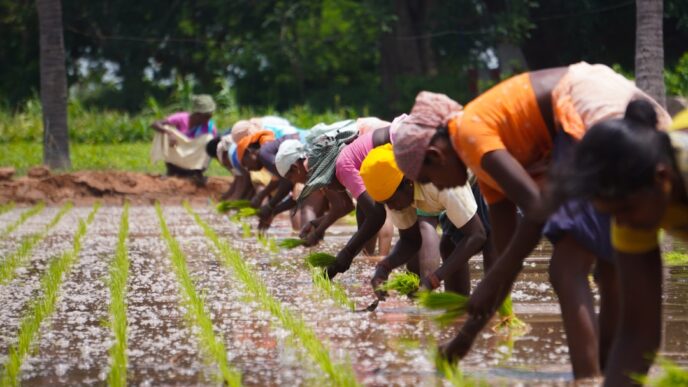
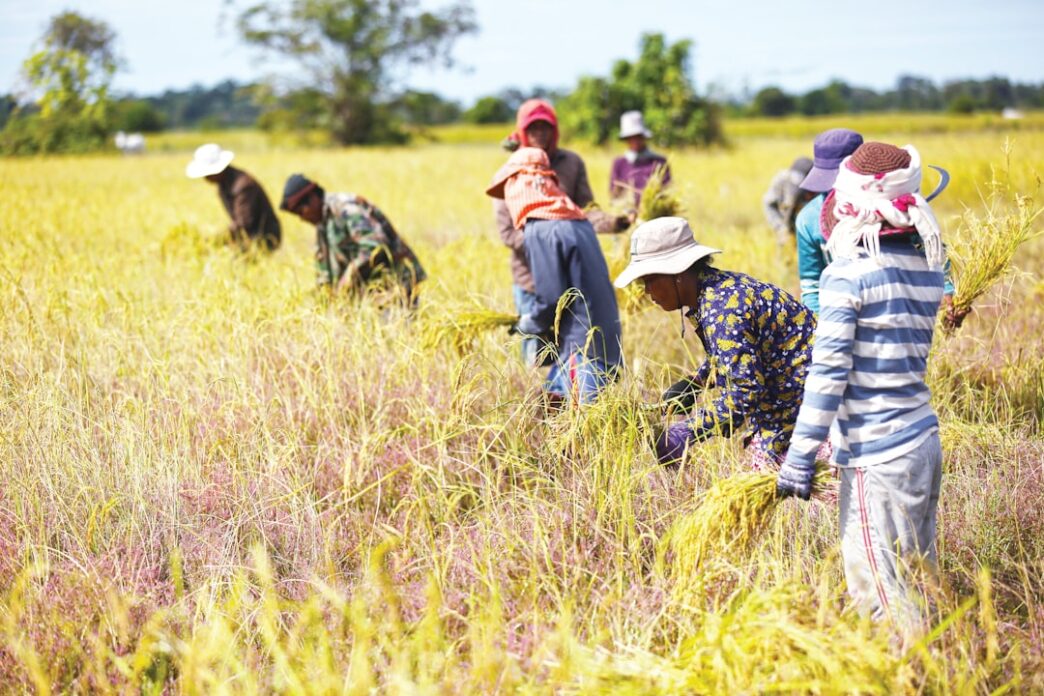
Smallholder agriculture is characterized by the cultivation of diverse crops on small plots of land, often using traditional farming methods. This approach not only fosters biodiversity but also strengthens local food systems. The International Fund for Agricultural Development (IFAD) has pointed out that investing in smallholders could potentially lift millions out of poverty. By supporting local producers, countries can reduce reliance on imports, thus stabilizing their economies.
In addition, smallholders are often more resilient to climate change than large-scale operations. Their diversified farming practices can adapt more readily to environmental shifts. For instance, in the Philippines, smallholder farmers have successfully integrated climate-resilient crops, such as drought-resistant rice varieties, into their farming systems. This adaptability is essential as extreme weather events become more frequent and severe.
Despite these advantages, smallholder agriculture faces numerous challenges. Access to credit remains a significant hurdle. Traditional banking systems often overlook these farmers, viewing them as too risky. However, innovative financing solutions are emerging. Microfinance organizations, like Kiva, have begun to fill this gap by providing small loans to farmers, allowing them to invest in their operations without the crippling interest rates typical of conventional loans.
Moreover, the rise of digital technology is revolutionizing how smallholders operate. Mobile applications are now being used to connect farmers directly with markets, reducing the layers of intermediaries that typically eat into their profits. For instance, in Kenya, the M-Pesa platform has enabled farmers to conduct transactions via mobile phones, facilitating quicker sales and better pricing for their goods.
While the potential of smallholder agriculture is immense, it is not without its critics. The concentration of land ownership and the influence of agribusiness corporations pose significant risks. The drive for profit maximization can lead to the marginalization of smaller farmers, who may struggle to compete. Policies that prioritize smallholder needs, such as land reform and fair trade practices, are essential to ensure these farmers thrive.
In summary, the revitalization of smallholder agriculture represents a paradigm shift in how economies can approach growth and sustainability. As more countries recognize its value, the focus on empowering these farmers could lead to a more resilient, diversified economic future. The continued support of organizations like IFAD, combined with innovative financial solutions and technology, could usher in a new era where smallholders are not just contributors to food systems but key drivers of economic prosperity. While challenges remain, the path ahead is ripe with opportunity for those willing to invest in this often-unseen sector.