In the bustling markets of Dubai and the oil-rich states of the Gulf Cooperation Council, a quiet revolution is brewing. Blockchain technology, often associated with cryptocurrencies, is rapidly becoming a cornerstone of international trade in the region. The potential for transparency, efficiency, and security in transactions has caught the eye of businesses and governments alike, stirring up a wave of digital transformation that could redefine trade dynamics.
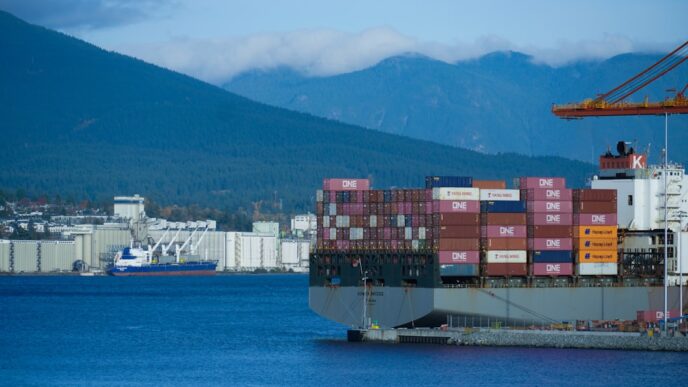
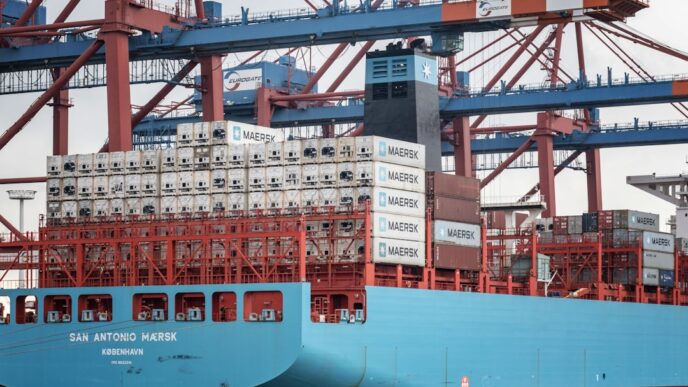
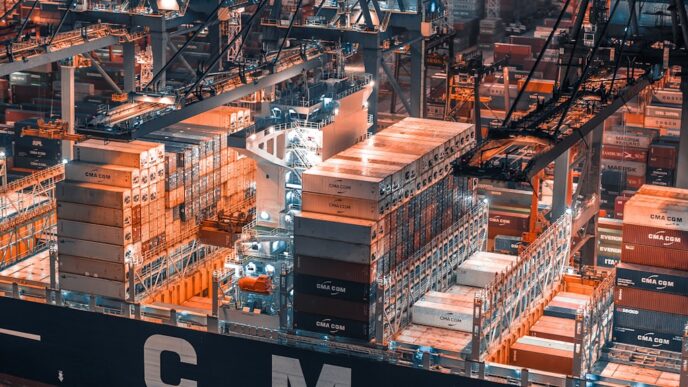
Consider the logistics sector, which has always been fraught with complications, from documentation errors to lengthy shipping times. In response, regional players like the Dubai Ports World have begun integrating blockchain systems to streamline operations. By digitizing contracts and utilizing smart contracts to automate compliance checks, the port has reported significant reductions in delays. This not only enhances the efficiency of supply chains but also reduces costs for traders who benefit from quicker turnaround times.
The United Arab Emirates has positioned itself as a leader in this shift. The UAE government has launched initiatives aimed at establishing a national blockchain strategy, intending to become the first government in the world to execute all its documents on the blockchain. According to the Dubai Blockchain Strategy 2020, the aim is to save billions in costs and bolster competitiveness in global trade—an ambitious goal that could set a precedent for other nations.
Yet, it’s not just about the efficiency of trade logistics. Financial transactions also stand to gain immensely from blockchain technology. Traditional trade finance processes are often riddled with inefficiencies and high costs, deterring small and medium-sized enterprises from engaging in international trade. The integration of blockchain can provide access to previously unattainable financing options. Organizations like the Islamic Development Bank are exploring blockchain-based platforms to facilitate trade finance, aiming to offer quicker processing times and improved access to credit for enterprises in member countries.
Take, for example, the case of a small exporter in Oman. Before the adoption of blockchain, securing financing for international shipments was a lengthy process plagued with documentation requirements. Using a blockchain-enabled platform, the exporter can present their documentation digitally, receive immediate verification from financial institutions, and access credit in real-time. This not only improves cash flow for exporters but also encourages trading relationships across borders.
However, challenges remain. The regulatory landscape in the Middle East is still grappling with the implications of blockchain use. Countries must find a balance between fostering innovation and ensuring security and compliance. Cybersecurity threats and the potential for fraud are concerns that cannot be overlooked, especially as more companies transition their operations online. Governments and institutions must collaborate to establish robust frameworks that protect stakeholders while encouraging the adoption of new technologies.
Moreover, while major players in the region are adopting blockchain, small businesses may lag behind due to a lack of resources or awareness. Initiatives aimed at educating these enterprises and providing them with necessary tools will be vital in ensuring widespread adoption.
In this era of rapid technological advancement, the Middle East stands on the cusp of a significant transformation in trade practices. As blockchain technology continues to gain traction, it promises not only to enhance the efficiency of existing systems but also to open new avenues for economic growth and regional integration. The future of trade in the region might very well be written in code.