
When a country raises tariffs on imported goods, the immediate effect typically leads to higher prices for those goods in the domestic market. Tariffs are taxes imposed on foreign products, and when they increase, the additional cost is often passed on to consumers. This means that shoppers may face higher prices for imported items, from electronics to clothing, as companies seek to maintain their profit margins.
For example, when the United States implemented tariffs on steel and aluminum in 2018, the cost of these materials rose for domestic manufacturers. Consequently, industries that rely on these metals, such as automotive and construction, experienced a spike in production costs. As a result, many companies increased their prices for end products, affecting consumer spending and behavior.
Higher prices due to tariffs can lead to several consumer responses:
– **Reduced Purchasing Power:** As prices rise, consumers may find their budgets stretched thinner, leading them to cut back on purchases or switch to cheaper alternatives.
– **Shift to Domestic Products:** Some consumers may consciously decide to support domestic goods over imported ones, viewing them as more patriotic or reliable, although this can sometimes come at a higher price.
– **Inflationary Pressure:** If tariffs are widespread, the overall cost of living can increase, contributing to inflation. Consumers might face a general rise in prices, affecting their disposable income and savings.
In addition to immediate price effects, tariffs can also distort market competition. Domestic producers may benefit from reduced competition, leading to potential price hikes on their products without the pressure to innovate or improve quality. Over time, this complacency can harm the overall economy, as companies that do not face foreign competition may lack the incentive to evolve.
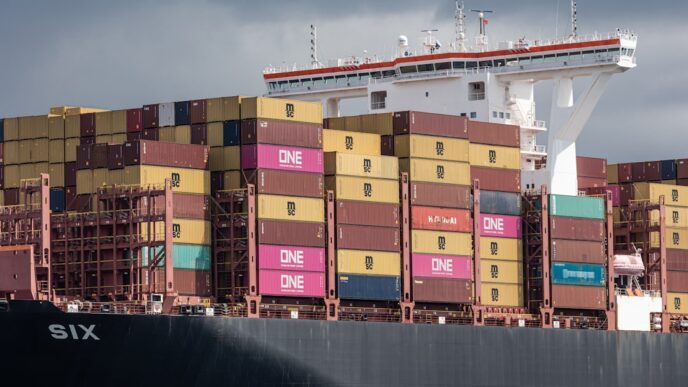
The impact of tariffs isn’t confined to just prices. They can also affect supply chains. Companies that rely on imported components might find their production disrupted or costs soaring. For instance, during the trade tensions between the U.S. and China, many American companies reported increased costs and delays, which prompted some to reconsider their sourcing strategies.
Moreover, tariffs can lead to retaliation from trading partners. For instance, following the U.S. steel and aluminum tariffs, several countries, including Canada and the EU, imposed their tariffs on American goods. This tit-for-tat approach can escalate into broader trade wars, adversely impacting various sectors of the economy and leading to uncertainty in the market.
To summarize, raising tariffs can lead to higher domestic prices for consumers, shift purchasing behaviors, and influence market competition and supply chains. While the intent behind tariffs may be to protect domestic industries, they can have complex and far-reaching effects that extend beyond simple price increases. Understanding these dynamics is crucial for both consumers and policymakers navigating the interconnected world of international trade.