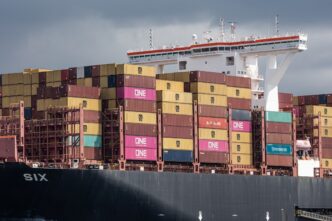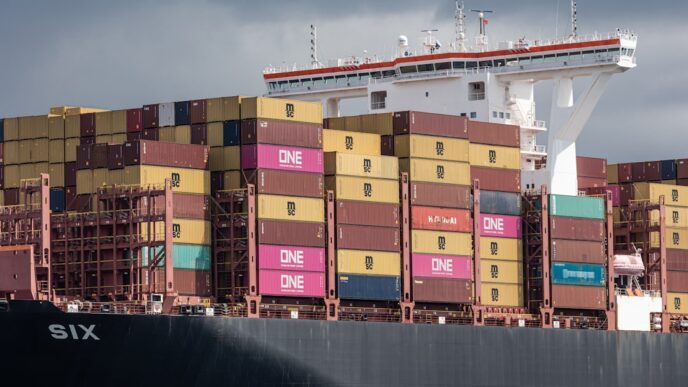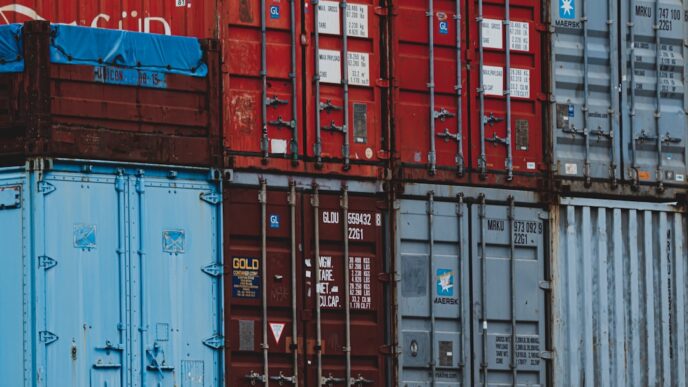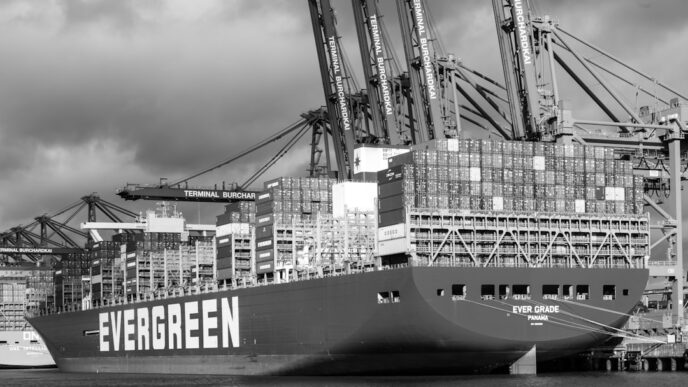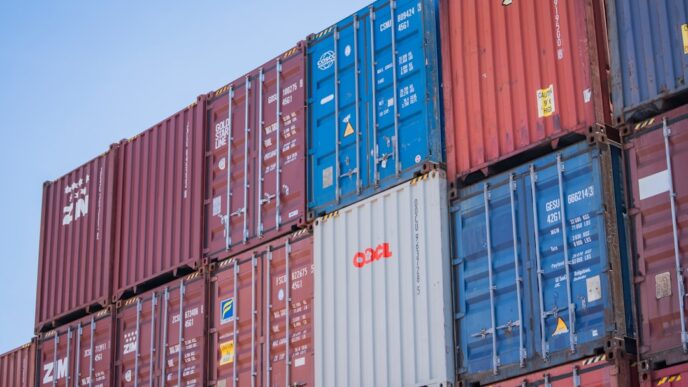

Tariffs, essentially taxes imposed on imported goods, can have a significant impact on a country’s economy and consumers. When a government raises tariffs, the immediate effect can lead to higher prices for imported products. This happens because importers often pass on the additional costs of tariffs to consumers, making goods more expensive. For example, if the United States increases tariffs on steel imports, the cost of steel for domestic manufacturers rises, which can lead to increased prices on everything from cars to construction materials.
Higher tariffs can protect domestic industries by making imported goods less competitive. This might benefit local producers in the short term, as they can capture a larger market share. However, this protectionist measure can also lead to unintended consequences, such as retaliatory tariffs from trading partners, potentially sparking trade wars. A notable example is the U.S.-China trade war that began in 2018, where both countries imposed tariffs on billions of dollars worth of goods, leading to increased prices and uncertainty in various markets.
Consumers are often the most affected. When tariffs raise prices, households may find themselves spending more on products they previously purchased at lower prices. This can lead to a decrease in disposable income, forcing families to cut back on other expenditures. Essential goods, such as food and clothing, may see price increases, disproportionately affecting low- to middle-income families. According to a report by the tariff policy group, households faced an average annual cost increase of around $600 due to tariffs imposed during the trade war with China.
Moreover, tariffs can disrupt supply chains. Companies that rely on imported materials may experience delays and increased costs, which can result in reduced production capacity and even layoffs. For instance, the automotive industry, which relies heavily on global supply chains, saw major disruptions due to increased tariffs on parts and materials. This can lead to a slowdown in economic growth as businesses struggle to adjust.
On the flip side, proponents argue that tariffs can help foster domestic production and reduce trade deficits. By encouraging consumers to buy local products, some believe it stimulates job growth and strengthens the economy. However, this perspective often overlooks the broader implications of higher prices and reduced choices for consumers.
The effectiveness of tariffs as a policy tool ultimately depends on various factors, including the reaction of trading partners, the elasticity of demand for affected goods, and the overall economic context. While there may be short-term benefits for certain sectors, the long-term effects often require careful consideration of economic relationships and consumer welfare.