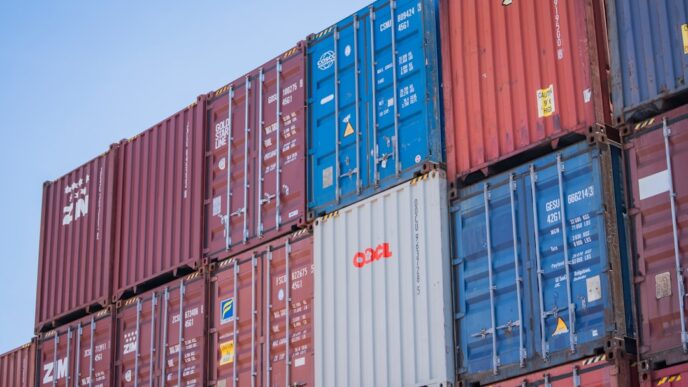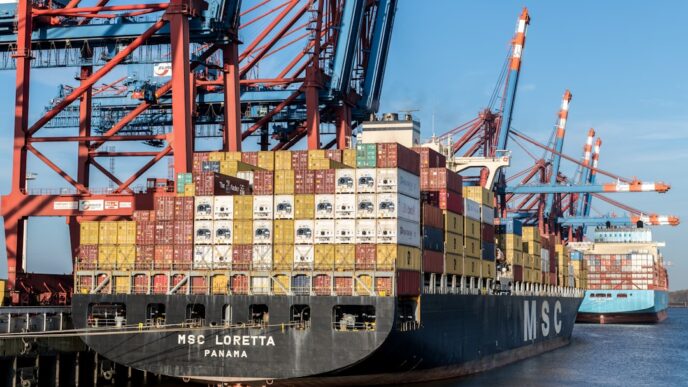
Raising tariffs increases the cost of imported goods. When a government imposes higher tariffs, it effectively raises the price of foreign products. This can lead to higher prices for consumers who may find that everyday items, from electronics to clothing, now cost more. For instance, when the United States raised tariffs on Chinese goods during the trade tensions that began around 2018, many consumers faced higher prices for products like laundry detergents and bicycles.
Businesses that rely on imported materials or components also feel the impact of increased tariffs. Manufacturing companies, for example, may see their production costs rise if they depend on foreign suppliers. This can lead to several outcomes:
– **Increased prices**: Companies often pass on the additional costs to consumers, which can lead to inflation.
– **Reduced profit margins**: Businesses may have to absorb some of the costs to remain competitive, affecting profitability.
– **Supply chain adjustments**: Firms might look for alternative suppliers or increase domestic sourcing, which can lead to a reshuffling of global supply chains.
The economic theory behind tariffs suggests that they protect domestic industries from foreign competition. In the short term, this can lead to job preservation in some sectors. However, the long-term effects are often more complicated. For example, while steel tariffs may help U.S. steel manufacturers, they can simultaneously harm industries that rely on steel, such as automotive and construction. The higher costs can lead to job losses in these sectors, counteracting the gains made elsewhere.
Additionally, tariffs can invite retaliation from other countries. If a nation raises tariffs, affected countries may respond by imposing their own tariffs, creating a cycle of trade barriers. The U.S.-China trade war serves as a prime example of this dynamic, where both countries implemented tariffs on hundreds of billions of dollars’ worth of goods, leading to uncertainty and volatility in global markets.
Finally, consumers may have fewer choices in the marketplace. With higher tariffs, imported goods become less competitive, potentially leading to reduced variety for consumers and possibly lower quality if domestic alternatives are not as robust.
In summary, while raising tariffs can provide temporary relief to specific domestic industries, the broader implications often include higher prices for consumers, increased costs for businesses, potential retaliatory measures from trade partners, and limited choices in the market. It’s a complex issue that highlights the interconnected nature of global trade and domestic economies.