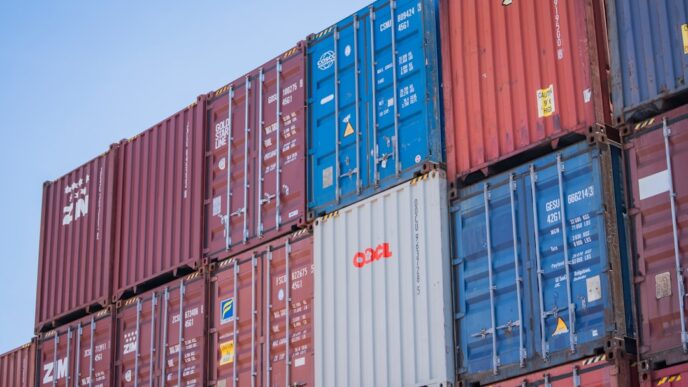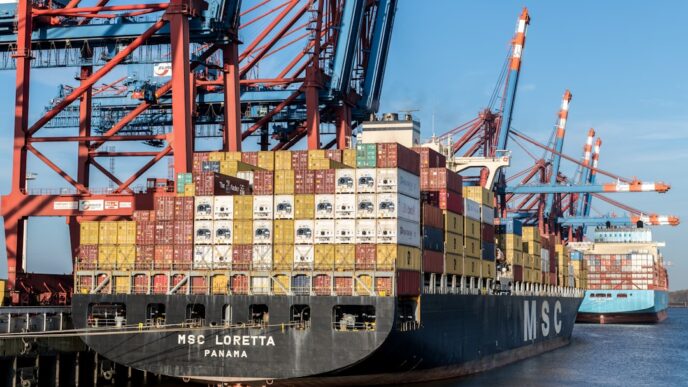

Tariffs, which are taxes imposed on imported goods, can lead to increased consumer prices and have a ripple effect on the broader economy. When a government raises tariffs on specific products, the immediate consequence is that importing those goods becomes more expensive. Importers often pass these costs onto consumers, resulting in higher prices for everyday items. For instance, when the U.S. implemented tariffs on steel and aluminum in 2018, many industries that rely on these materials faced increased production costs, which eventually trickled down to consumers.
The direct impact on consumer prices can vary based on several factors, including the elasticity of demand for the affected products. If demand is inelastic, consumers will continue to purchase the goods despite the price increase, which allows companies to maintain higher prices and profit margins. Conversely, if demand is elastic, consumers may seek substitutes or skip purchases altogether, leading to potential losses for businesses.
Beyond immediate price increases, tariffs can have broader economic implications. They can lead to inflation, as the costs of various goods rise, decreasing consumers’ purchasing power. For example, after the U.S. imposed tariffs on Chinese goods in 2018, the Consumer Price Index showed an uptick, reflecting increased costs passed on to buyers. Additionally, tariffs can strain international relations, potentially leading to retaliatory measures from other countries, further complicating trade dynamics.
Businesses might also reconsider their supply chains in response to tariffs. Companies that previously relied on imported goods might opt to source materials domestically or from countries not subject to tariffs. While this shift can create new job opportunities in some sectors, it may lead to higher production costs in the short term, affecting overall economic growth.
It’s important to consider the long-term effects of tariffs as well. Economists often debate their efficacy. While they may protect specific industries, they can also stifle competition and innovation. For instance, the auto industry in the U.S. has historically benefited from protective tariffs, but such measures can also result in higher prices for consumers and less incentive for manufacturers to improve products.
In summary, tariffs influence consumer prices and the overall economy through increased costs, potential inflation, and shifts in production practices. Understanding both the immediate and broader consequences can help consumers and businesses navigate the complexities of international trade policies.