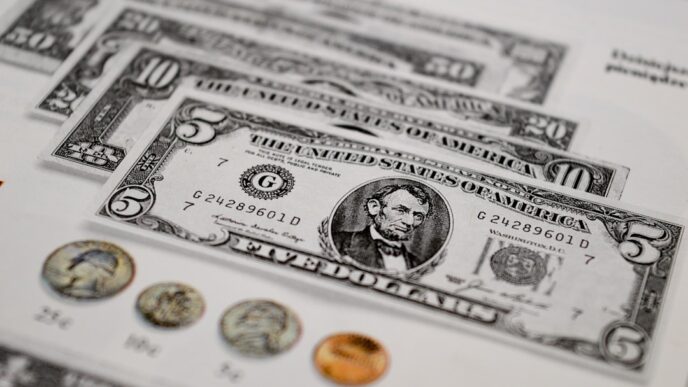

Central banks control inflation primarily by adjusting interest rates. When inflation rises, central banks typically increase interest rates to cool down the economy. Higher interest rates make borrowing more expensive, which can reduce consumer spending and business investments. For example, when the U.S. Federal Reserve raises the federal funds rate, it influences a wide range of other interest rates, including those for mortgages, car loans, and corporate debt. This ripple effect can help slow down economic activity, thereby reducing inflationary pressures.
Conversely, if inflation is low and economic growth is sluggish, central banks might lower interest rates to encourage spending and investment. Lower rates mean cheaper loans, which can stimulate economic activity. A recent example is the European Central Bank (ECB) during the COVID-19 pandemic; it lowered rates and implemented quantitative easing to boost the economy when inflation fell dramatically.
The relationship between interest rates and inflation is often illustrated by the Phillips Curve, which shows an inverse relationship between inflation and unemployment. When unemployment is low, inflation tends to rise as demand increases. To counteract this, central banks can raise interest rates, which aims to bring inflation down by slowing economic growth.
Here are key mechanisms through which higher interest rates help control inflation:
– **Reduced Borrowing:** Higher rates discourage consumers and businesses from taking out loans, leading to reduced spending.
– **Increased Savings:** Higher interest on savings accounts may incentivize saving over spending, further cooling demand.
– **Stronger Currency:** Higher interest rates can attract foreign investment, leading to a stronger currency, which makes imports cheaper and helps reduce inflationary pressure.
Countries often face the challenge of balancing growth and inflation. In 2022, many central banks, including the Federal Reserve and the Bank of England, began increasing rates aggressively to combat rising inflation due to supply chain disruptions and increased consumer demand following pandemic-related lockdowns. This move aimed to stabilize prices without triggering a recession.
It’s essential to note that the timing and magnitude of interest rate changes can significantly impact inflation. If central banks raise rates too quickly, they risk choking off growth; if they act too slowly, inflation could spiral out of control. This delicate balancing act is why central banks closely monitor economic indicators and market conditions.
In summary, central banks employ interest rate adjustments as a primary tool for controlling inflation. By increasing rates, they aim to reduce spending and investment, thereby stabilizing prices. However, these actions must be carefully calibrated to avoid unintended consequences, such as slowing economic growth excessively.