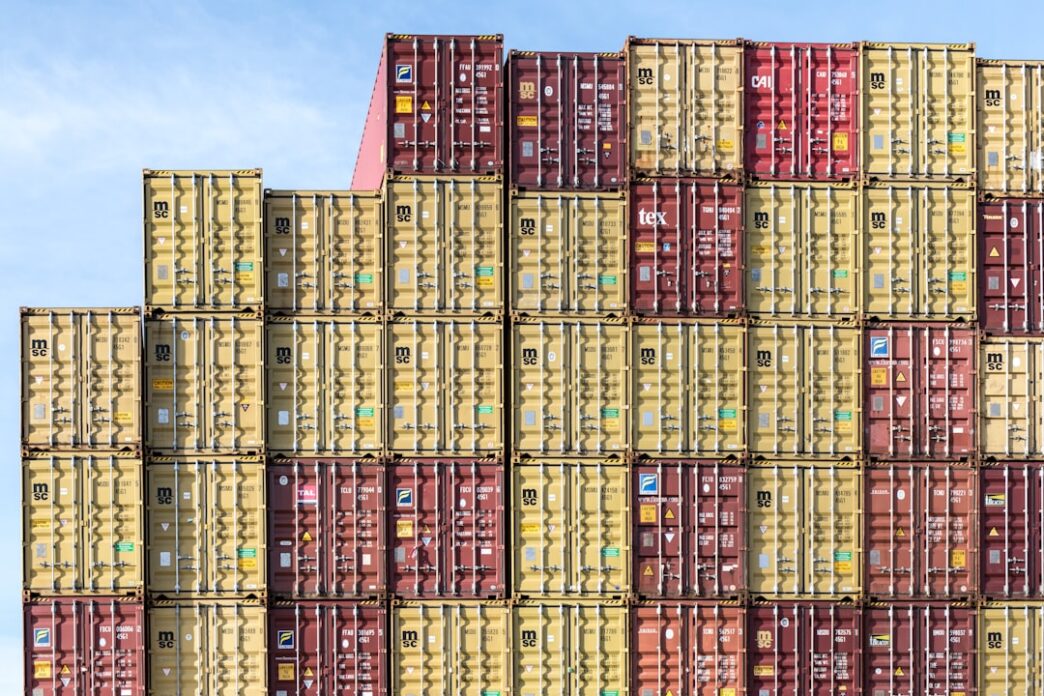
Raising tariffs primarily increases the cost of imported goods, which can lead to a variety of economic effects both domestically and internationally. When a country imposes higher tariffs, it effectively makes foreign products more expensive for consumers and businesses. As a result, domestic producers may gain a competitive edge since their products become more appealing in price compared to imported options.
However, this advantage can be misleading. With tariffs in place, domestic manufacturers may have less incentive to innovate or improve their efficiency, relying instead on the protection from foreign competition. This can lead to higher prices for consumers, as companies may pass on the increased costs associated with tariffs.
Consider the case of the United States and the steel tariffs implemented in 2018. The Trump administration imposed a 25% tariff on imported steel and a 10% tariff on aluminum, claiming it was necessary to protect American jobs in these industries. While some U.S. steel producers benefitted from reduced competition, industries that rely heavily on steel, like automotive and construction, faced increased costs. Ultimately, this led to higher prices for consumers and potential job losses in sectors that depend on affordable steel.
Tariffs can also provoke retaliatory measures from other countries, leading to a trade war. For example, after the U.S. imposed tariffs on certain products, countries like China retaliated with their tariffs on U.S. goods, affecting exports and creating uncertainty in the global market. This back-and-forth can disrupt supply chains and diminish overall economic growth.
Key effects of raising tariffs include:
– **Increased Prices**: Tariffs are typically passed on to consumers, leading to higher prices for goods.
– **Sectoral Shifts**: Industries protected by tariffs may see short-term growth, while those reliant on imports may shrink.
– **Global Market Disruption**: Retaliatory tariffs can disrupt trade relationships and lead to volatility in international markets.
– **Consumer Choices**: A rise in domestic prices can limit consumer choices as they may opt for fewer alternatives.
– **Economic Uncertainty**: Businesses may face challenges in planning due to unpredictable trade policies, affecting investment decisions.
In summary, while raising tariffs can offer short-term benefits to certain industries within a country, the broader economic impact often includes higher consumer prices and strained international relations. Examining historical precedents like the U.S.-China trade tensions can provide valuable insights into the complex dynamics of tariff policies and their far-reaching consequences.