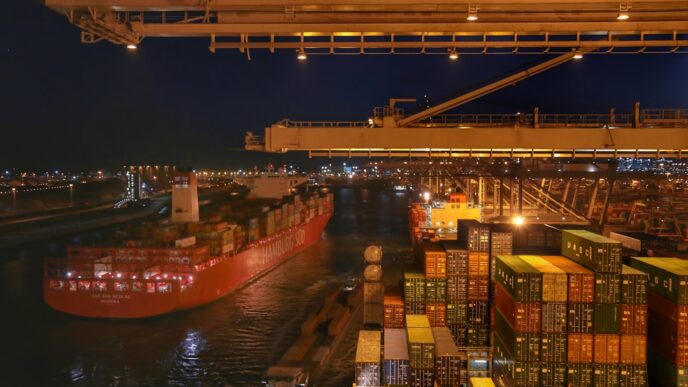
Tariffs, essentially taxes imposed on imported goods, can significantly influence a country’s economy. They are intended to protect domestic industries by making foreign products more expensive and less competitive. When a country raises tariffs, the immediate effect is an increase in the cost of imported goods. This can lead to higher prices for consumers and businesses relying on imported materials.
For example, the United States imposed tariffs on steel and aluminum imports in 2018. The rationale was to protect domestic manufacturers from foreign competition. However, while this might have benefited local steel producers, it also raised costs for industries that depend on these metals, such as construction and automotive manufacturing. The result was a ripple effect throughout the economy, where consumers faced higher prices, and some businesses struggled to maintain profitability.
Higher tariffs can lead to a decrease in trade volume, as countries affected by these tariffs may respond with their own tariffs on exports from the initiating country. This retaliation can escalate into a trade war, further disrupting economic stability. For instance, after the U.S. tariffs, countries like China imposed retaliatory tariffs on American goods, which affected a variety of sectors, from agriculture to technology.
In the short term, increased tariffs may protect certain jobs in domestic industries. However, this protection often comes at a cost. Economists argue that tariffs can lead to inefficiencies in the market. For consumers, the choice of goods may be limited, and prices may rise due to reduced competition.
Consider the case of agricultural tariffs. When the U.S. imposed tariffs on Chinese goods, China responded by raising tariffs on U.S. agricultural exports. American farmers found themselves at a disadvantage, facing a decrease in export opportunities and declining prices for their products. This created a challenging situation for rural economies that depend heavily on agricultural exports.
In addition to job protection and retaliatory measures, tariffs can also influence inflation rates. As import prices rise, businesses may pass these costs onto consumers. Consequently, this can contribute to a general increase in price levels, putting pressure on monetary policy. Central banks might need to adjust interest rates in response to inflationary pressures created by tariffs, which can further complicate economic conditions.
In summary, while tariffs may seem like a straightforward way to protect domestic industries, they have complex consequences. They can distort market dynamics, lead to higher consumer prices, provoke retaliatory actions from other countries, and impact broader economic measures like inflation. Understanding these implications is crucial for policymakers and businesses navigating the intricacies of international trade.