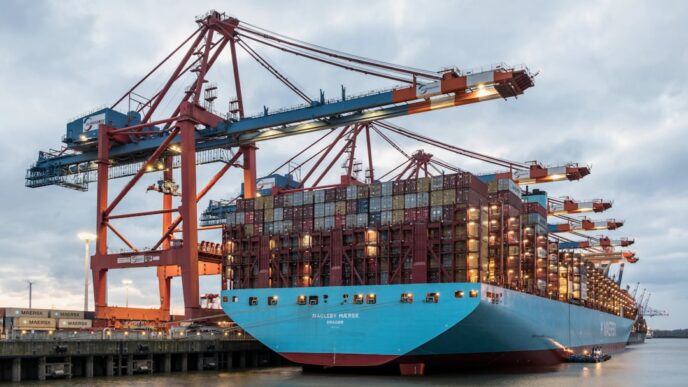
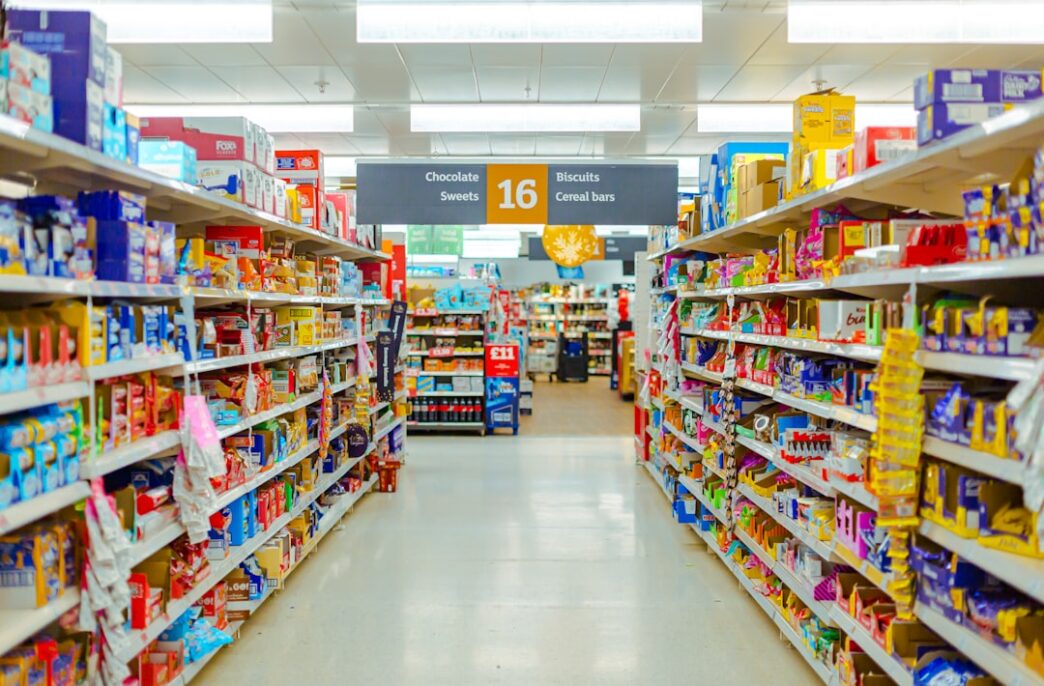
When a country raises tariffs, it directly affects consumer prices in several ways. Primarily, tariffs are taxes imposed on imported goods, making these products more expensive for both retailers and consumers. As a result, businesses often pass these costs onto consumers, leading to increased prices for everyday items.
For example, consider the recent tariff increases on Chinese goods by the United States during the trade tensions that escalated in 2018. Many consumer products, including electronics, clothing, and household goods, saw price hikes. This was because companies importing these goods faced higher costs, prompting them to raise prices to maintain profit margins. A study by the Federal Reserve estimated that the tariffs effectively raised prices for American consumers by approximately $1,300 annually for a typical family.
Higher tariffs can also disrupt supply chains. Companies that rely on foreign materials may find their production costs surge, which can further inflate prices for finished goods. In response to the tariffs, some businesses may choose to shift their sourcing to domestic suppliers, but this often comes with its own challenges, such as higher labor costs or reduced availability of certain products.
Additionally, tariffs can lead to a cycle of retaliation, where affected countries impose their own tariffs in response. This scenario creates a trade war, which can escalate costs for consumers even further. For instance, the tit-for-tat tariffs between the U.S. and China led to uncertainty in various markets, affecting not just direct imports but also the prices of substitute goods and services. If a Chinese-made product becomes too expensive, consumers may turn to alternatives that also see price increases due to heightened demand.
There are other consequences as well. When tariffs are raised, domestic industries that compete with imported goods may benefit in the short term, as they face less competition. However, this can lead to complacency, stalling innovation and efficiency improvements. Over time, these industries might not be able to sustain their competitiveness without the pressure from foreign competition, ultimately harming consumers in the long run.
The impact on inflation is another critical aspect. When consumer prices rise due to tariffs, inflation can increase, which may prompt central banks to adjust interest rates. Higher inflation can erode purchasing power, leading to reduced consumer spending – a vital component of economic growth. The relationship between tariffs and inflation can be complex, but it’s clear that rising tariffs can create a ripple effect impacting the entire economy.
In summary, when a country raises tariffs, consumers often bear the brunt through higher prices. The immediate cost increases, potential disruptions in supply chains, and broader economic implications, including inflationary pressures, illustrate the nuanced relationship between trade policy and consumer economics. Understanding this dynamic is crucial for consumers and policymakers alike as they navigate the complexities of global trade and economic stability.