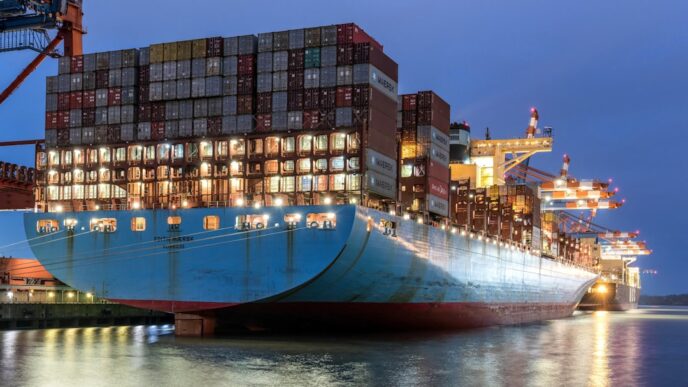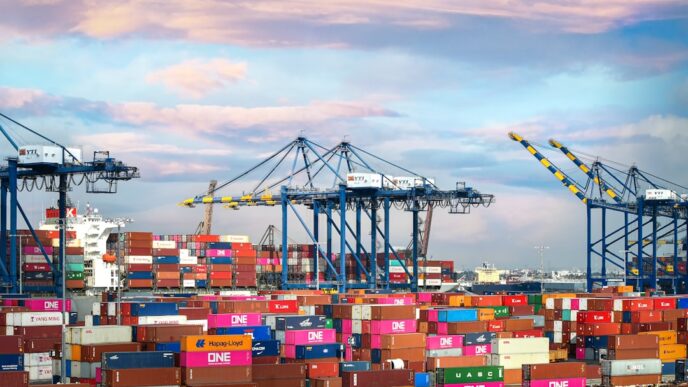
Raising tariffs on imports primarily leads to increased costs for consumers and businesses that rely on foreign goods. When a government imposes higher tariffs, it effectively raises the price of imported products. This can lead to several immediate effects, including inflationary pressure as businesses pass on the higher costs to consumers. For instance, if a country raises tariffs on imported steel, domestic manufacturers using steel will face increased production costs, which may then be reflected in the prices of products such as cars and appliances.
Additionally, the domestic market can react in various ways. While some local industries might benefit from reduced foreign competition, others that depend on imported materials may struggle. This creates a ripple effect across the economy. For example, during the U.S.-China trade war, tariffs on a range of goods led to higher prices for electronics and household items, which disproportionately affected consumers and small businesses.
Moreover, raising tariffs can provoke retaliation from trade partners. Countries affected by the new tariffs may impose their own tariffs on exports from the initiating country, leading to a trade war. Following the U.S. tariffs on Chinese goods, China retaliated with tariffs on American agricultural products. This not only hurt farmers in the U.S. but also strained international relations and disrupted global supply chains.
Benefits from tariffs are often touted, such as protecting domestic jobs and industries. However, these benefits can be short-lived. While certain sectors may experience a temporary boost, the overall economy could suffer from decreased competitiveness and higher prices. In the long run, reliance on tariffs can lead to inefficiencies as companies may not feel the need to innovate or improve their products due to reduced competition.
To summarize, raising tariffs can lead to higher consumer prices, retaliatory actions from trading partners, and a mixed bag of effects on local industries. The broader economic implications often tend to skew negative, with consumer costs and international relations taking a hit. Understanding these dynamics is crucial for assessing the viability and wisdom of tariff policies.