Interest rates typically rise in response to increasing inflation. When inflation rates climb, the purchasing power of money diminishes, causing central banks around the world, like the Federal Reserve in the United States, to take action to stabilize the economy. The primary tool they use is the adjustment of interest rates.
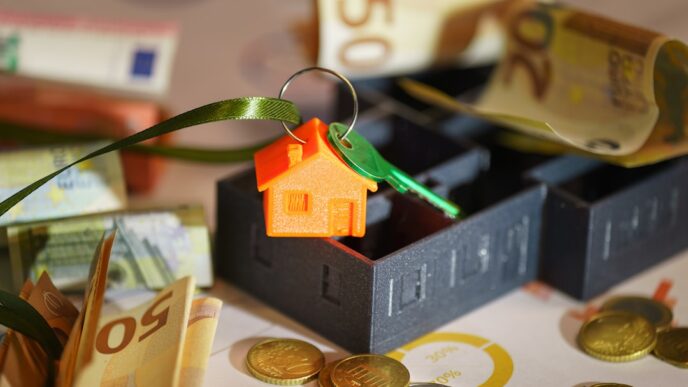
When inflation is high, central banks may raise their benchmark interest rates, which, in turn, elevates the rates that consumers and businesses pay for loans. Higher interest rates discourage borrowing and spending, effectively cooling down the economy. For instance, if a bank raises its mortgage rates due to higher inflation, potential homebuyers might delay their purchases, leading to a slowdown in the housing market.
This relationship can also be observed in the context of the 1970s stagflation in the U.S., where a combination of high inflation and stagnant economic growth prompted the Federal Reserve to significantly increase interest rates. By 1981, the Fed’s rate peaked at over 20%, a drastic measure aimed at curbing inflation, which was running rampant at the time.
The process can be summarized in a few key points:
– **Inflation leads to higher costs:** As prices rise, consumers can buy less with the same amount of money, leading to a decrease in economic confidence.
– **Central banks respond:** To counter inflation, central banks raise interest rates to control money supply and curb spending.
– **Consequences for consumers:** Higher interest rates mean more expensive loans, resulting in reduced consumer spending and potentially stalling economic growth.
It’s worth noting that while raising interest rates can help control inflation, it can also lead to other economic consequences, such as increased unemployment and reduced investment. Businesses may find it more challenging to finance new projects, leading to slower economic expansion.
Moreover, the timing of these changes is crucial. If a central bank reacts too late to rising inflation, it may require even steeper interest rate hikes, which can shock the economy. Conversely, if rates are raised too early, it could stifle growth unnecessarily.
Ultimately, the interaction between inflation and interest rates is a balancing act for policymakers. Understanding this dynamic is essential for consumers and investors alike, as it can influence everything from credit card rates to mortgage costs and overall economic health.