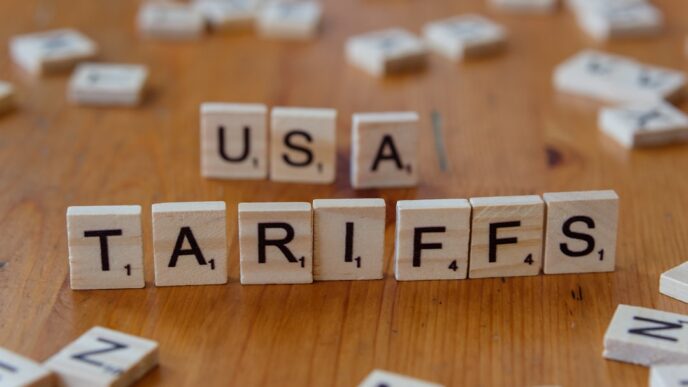
Tariffs, which are taxes imposed on imported goods, can have a significant impact on a country’s economy. When a government raises tariffs, it typically aims to protect domestic industries from foreign competition. While this can benefit certain sectors, it often leads to increased prices for consumers and can create broader economic challenges.
One immediate effect of increasing tariffs is that the cost of imported goods rises. Businesses that rely on these imports for their raw materials or finished products often pass these costs onto consumers. For example, when the United States imposed tariffs on steel and aluminum imports in 2018, many domestic manufacturers faced higher production costs, which they typically transferred to customers in the form of higher prices. This can lead to inflation, as consumers find themselves paying more for goods that were previously affordable.
In addition to affecting prices, tariffs can disrupt trade relationships. If one country raises tariffs, it may prompt retaliatory measures from other countries. A notable case occurred during the U.S.-China trade war, where both nations exchanged tariff increases that affected billions in goods. This not only strained bilateral relations but also created uncertainty in global markets, impacting supply chains and investment decisions.
The broader economic implications of tariffs can also include sluggish GDP growth. While tariffs may protect specific sectors in the short term, they can hurt the economy’s overall efficiency. Higher prices for consumers can decrease disposable income, leading to reduced spending on other goods and services. This negative effect can ripple through the economy, slowing growth and reducing job creation in the long run.
Here are some key points about how tariffs impact a country’s economy:
– **Consumer Prices:** Tariffs typically lead to higher prices for imported goods, making everyday items more expensive for consumers.
– **Domestic Industries:** Certain domestic industries may benefit from reduced foreign competition, potentially leading to job creation in those sectors. However, this can be offset by job losses in industries reliant on imports.
– **Trade Relations:** Tariffs can provoke retaliation from other countries, resulting in trade wars that can further complicate international trade dynamics.
– **Economic Growth:** The overall effect on GDP can be negative, as higher prices reduce consumer spending and economic activity.
In summary, while tariffs may provide temporary relief to domestic industries, they can lead to inflation, strained trade relationships, and slower economic growth. Countries must carefully weigh the benefits against the potential long-term consequences of implementing such trade policies.