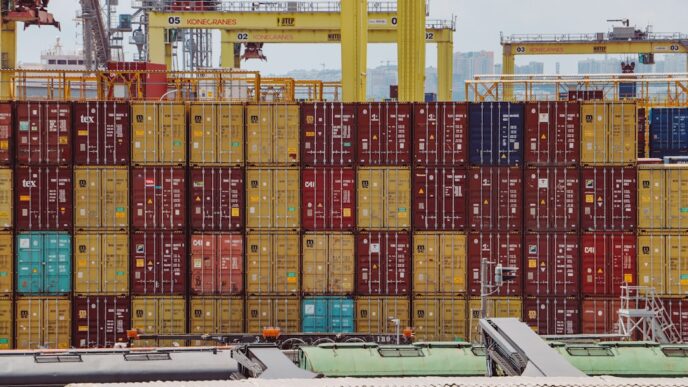
Tariffs, which are taxes imposed on imported goods, can significantly affect domestic prices and consumer behavior. When a government raises tariffs on foreign products, it essentially makes those imports more expensive. As a result, domestic producers may respond by raising their own prices, leading to increased costs for consumers. This price hike occurs for several reasons:
– **Cost of Imported Inputs:** Many products rely on materials and components sourced from abroad. Higher tariffs increase the cost of these inputs, which manufacturers often pass on to consumers.
– **Reduced Competition:** Tariffs can limit competition from foreign suppliers. With fewer options available, domestic companies may feel less pressure to keep prices low.
– **Market Adjustments:** The economy reacts to changes in supply and demand. As foreign goods become pricier, consumers may shift their purchasing habits, affecting overall demand and pricing structures.
For instance, when the U.S. imposed tariffs on steel and aluminum in 2018, prices for these metals rose sharply. The steel price index increased by approximately 30% within months. This increase not only affected industries that rely on steel, such as construction and automotive, but also led to higher prices for consumers buying products made with these materials.
Consumer behavior shifts dramatically in response to tariff-induced price changes. When faced with higher costs, consumers may:
– **Seek Alternatives:** People might look for domestic substitutes or cheaper imports from countries not affected by the tariffs.
– **Reduce Spending:** Higher prices can lead to a decrease in overall consumption, especially for non-essential goods.
– **Change Preferences:** Brands that previously enjoyed a strong market position may lose favor as consumers aim to save money.
An example can be observed in the aftermath of the U.S.-China trade war. As tariffs escalated, American consumers faced higher prices for everyday items, from electronics to clothing. Retailers like Walmart reported changes in purchasing patterns, with customers opting for less expensive products or delaying purchases altogether.
Moreover, tariffs can have a ripple effect across the economy. Companies may find it difficult to forecast prices and manage inventory due to fluctuating costs influenced by these tariffs. This uncertainty can hinder business planning and investment, which may ultimately impact job creation and economic growth.
In summary, tariffs create a complex interplay between pricing, competition, and consumer behavior. The immediate impact is often an increase in prices for imported goods, which can lead to broader economic implications as consumer habits shift and domestic producers adjust. The long-term effects, particularly in terms of economic growth and market stability, can be significant and warrant careful consideration from policymakers.