Tariffs, which are taxes imposed on imported goods, can significantly affect a country’s economy in various ways. When a government raises tariffs, it usually aims to protect domestic industries by making foreign products more expensive. This can lead to several immediate economic effects.
First, higher tariffs often result in increased prices for consumers. When import costs rise due to tariffs, businesses typically pass these costs on to consumers. For example, if a country raises tariffs on steel imports, domestic manufacturers relying on steel for production may increase their prices to maintain profit margins. This can lead to inflationary pressures within the economy as the cost of goods rises.
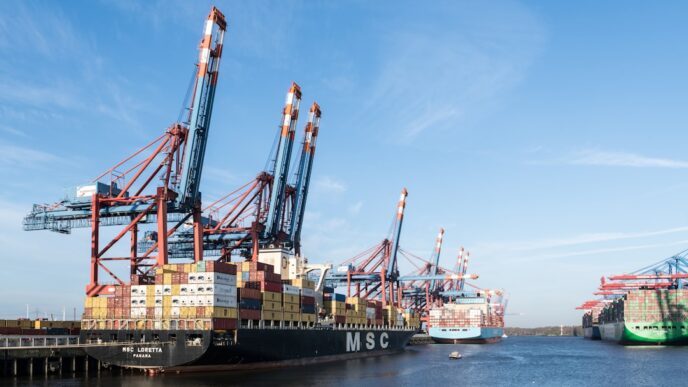
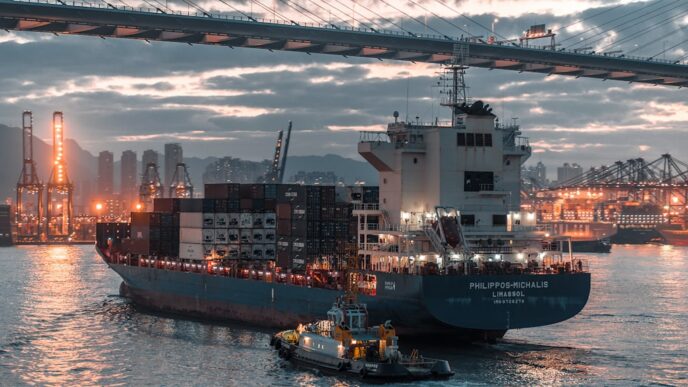
Additionally, tariffs can disrupt supply chains. Many industries rely on a global network for manufacturing inputs. When tariffs are imposed, companies might face delays or increased costs in sourcing materials, which can lead to reduced production capabilities. In turn, this might cause job losses in sectors that cannot adapt quickly enough to the heightened costs or changes in supply chains.
Moreover, the broader economic impact can be seen in international relations. Countries affected by new tariffs may retaliate by imposing their own tariffs on exports from the original country, leading to a trade war. A prime example is the U.S.-China trade tensions that escalated in 2018, where increased tariffs on hundreds of billions of dollars’ worth of goods sparked retaliatory measures from China. Both countries faced economic slowdowns, impacting global markets and leading to uncertainty in trade relationships.
On the flip side, tariffs can protect fledgling industries by creating a more favorable environment for domestic producers to thrive, potentially leading to job creation in certain sectors. For instance, when the U.S. imposed tariffs on solar panels, it aimed to assist domestic solar manufacturers in competing with lower-cost imports. While this might support jobs in the short term, it can also lead to higher energy prices for consumers and have repercussions for innovation and efficiency in the long run.
In summary, while tariffs can provide temporary relief to specific sectors, they often lead to higher prices for consumers, disrupted supply chains, and strained international relations. The long-term effects can vary significantly depending on how businesses and governments adapt to these changes. Understanding the intricate balance of these factors is essential for evaluating the overall economic impact of tariffs on a nation’s economy.