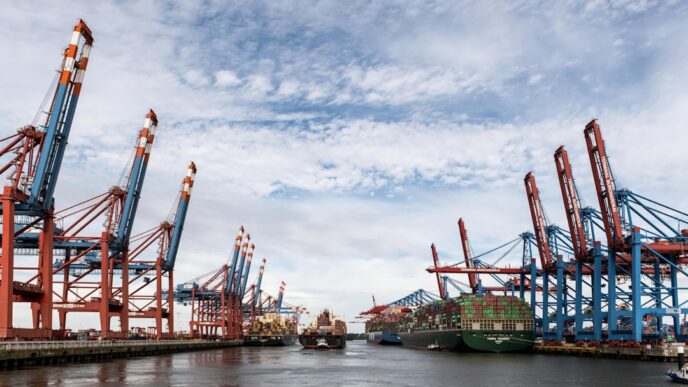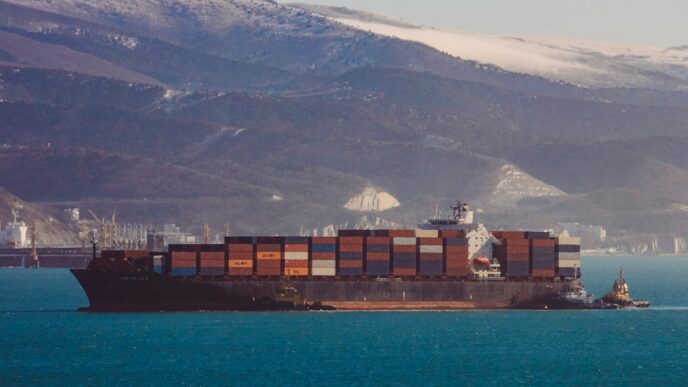
Trade tariffs are taxes imposed by a government on imported goods. When a country raises tariffs, the immediate consequence is an increase in the cost of imported products. This can lead to higher consumer prices, affecting everything from electronics to food. Companies importing goods face higher costs, which they often pass on to consumers in the form of increased retail prices.
For instance, in 2018, the United States imposed tariffs on Chinese goods, which impacted various sectors. The tariffs peaked at 25% for certain products, leading to a ripple effect in the marketplace. Consumers noticed price increases on a variety of items, including steel and aluminum products, which consequently drove up the costs of finished goods like automobiles and construction materials.
Here’s how it works:
– **Cost Increase:** When tariffs go up, the cost basis for importing goods rises. Importers may choose to absorb some of the costs, but many will raise prices to maintain their profit margins.
– **Domestic Production:** Higher tariffs can benefit local manufacturers who compete with imported goods. If the cost of imported products rises, consumers may turn to domestic alternatives, which might be cheaper or offer a better value. However, this only works if local production can meet demand without significant quality issues.
– **Inflationary Pressure:** As consumer prices rise due to tariffs, this can contribute to overall inflation. For example, if consumers must pay more for basic goods, their disposable income shrinks, potentially leading to reduced spending in other areas of the economy.
In addition to direct price impacts, tariffs can also create uncertainty in the market. Businesses may hesitate to invest or expand if they are unsure how trade policies will evolve. This hesitance can slow economic growth, as potential investments lead to job creation and increased consumer spending.
The effects of tariffs are not always straightforward. For example, while U.S. tariffs on Chinese imports aimed to protect American jobs, they also led to retaliatory tariffs from China on U.S. agricultural products. Farmers faced a significant drop in demand for their goods, which ultimately hurt the American agricultural sector.
In summary, when a country raises tariffs, consumer prices typically increase due to higher costs of imported goods. This can lead to inflationary effects across the economy, complicating the financial landscape for consumers and businesses alike. Understanding the implications of tariffs is crucial for anyone looking to navigate the shifting dynamics of international trade and its impact on daily life.