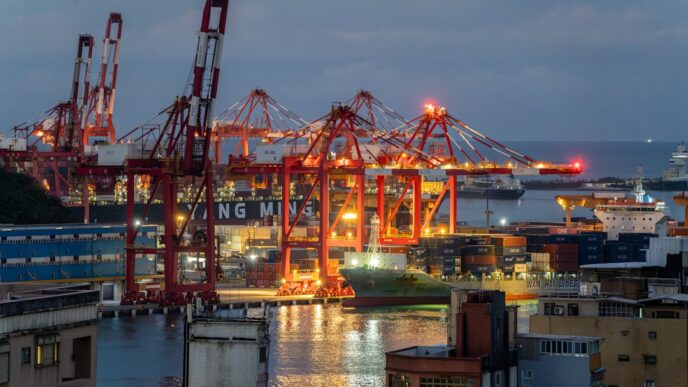

When a country raises tariffs, it imposes additional taxes on imported goods. This often leads to higher prices for consumers. Businesses that rely on imported materials may pass on these costs to customers, resulting in inflated prices for various products. For example, if the United States increases tariffs on steel imports, manufacturers of cars and appliances that use steel may raise their prices to maintain profit margins. As a result, consumers end up paying more for these goods.
The relationship between tariffs and consumer prices is complex. Initially, certain industries may benefit from the protection tariffs provide, as they face less competition from foreign companies. However, the overall economy can suffer in the long run. Higher consumer prices can lead to decreased spending, which impacts economic growth. Furthermore, when consumers are forced to pay more for everyday items, their purchasing power diminishes, leading to potential decreases in overall consumption.
A notable example is the U.S.-China trade war that began in 2018. The U.S. imposed tariffs on a wide range of Chinese products, which contributed to increased prices for American consumers. According to a report from the Federal Reserve Bank of New York, the tariffs raised the prices of affected goods by approximately 3% to 5%, impacting everything from electronics to clothing. This situation highlights how protective measures can have unintended consequences, making it essential to consider the broader economic landscape.
Raising tariffs can also trigger retaliatory actions from trading partners. If a country raises tariffs on imports, the affected nations might respond in kind, leading to a trade war. Such conflicts can disrupt supply chains and limit market access, further complicating economic conditions. For instance, after the U.S. tariffs, China implemented its own tariffs on American agricultural products, hurting U.S. farmers and raising uncertainty in both markets.
Moreover, the long-term effects of higher tariffs can extend beyond consumers and businesses. If domestic industries become reliant on protectionist policies, they may lack the incentive to innovate or improve efficiency. Over time, this can lead to diminished competitiveness on a global scale, as companies accustomed to a sheltered environment may struggle when competition returns.
In summary, raising tariffs can significantly impact consumer prices and the broader economy. While some sectors may initially benefit from reduced competition, the consequent price increases often lead to decreased consumer spending, potential retaliatory measures from trade partners, and long-term inefficiencies in affected industries. Understanding these dynamics is crucial for both policymakers and consumers as they navigate the complexities of international trade and economic policy.