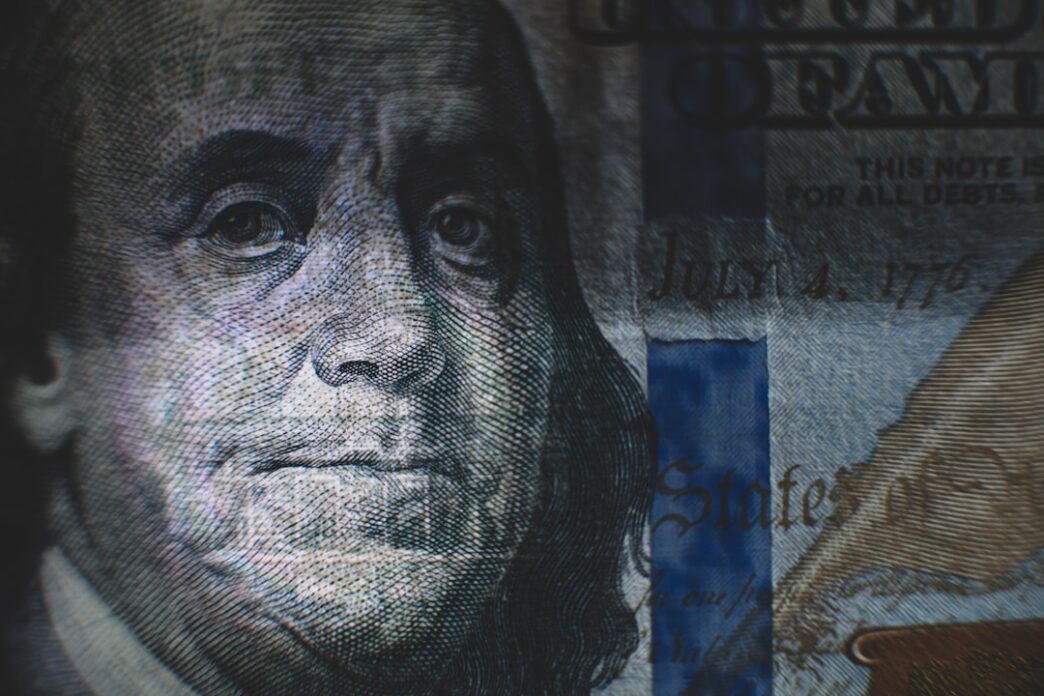
Interest rates play a crucial role in shaping consumer behavior, particularly in spending and borrowing. When interest rates are low, borrowing money becomes cheaper. This encourages consumers to take out loans for big-ticket purchases like homes and cars, or to use credit cards for daily expenses, ultimately driving economic growth. Conversely, high interest rates increase the cost of borrowing, which can dampen consumer spending.
For example, in the United States, the Federal Reserve often adjusts interest rates to manage economic activity. When the Fed lowers rates, it typically aims to stimulate the economy. Lower rates can lead to increased consumer confidence as individuals feel more comfortable taking on debt. In the years following the 2008 financial crisis, for instance, the Fed maintained historically low interest rates to encourage spending and investment, which helped spur a recovery.
On the flip side, when interest rates rise, consumers may rethink their spending habits. Higher borrowing costs can lead to a decrease in mortgages, car loans, and credit card usage. As a result, households may delay significant purchases and opt for saving instead. This change can slow economic growth as businesses see reduced demand for their products and services.
A practical way to understand this dynamic is through the impact of interest rates on mortgage loans. With lower interest rates, monthly mortgage payments decrease, making home ownership more accessible. This can lead to a housing market boom as more buyers enter the market. Conversely, when rates rise, potential homebuyers may find themselves priced out, leading to reduced demand and a potential slowdown in housing market activity.
Additionally, the relationship between interest rates and consumer spending is influenced by broader economic conditions. During periods of economic uncertainty, even low-interest rates may not be enough to spur spending. Consumers might prioritize saving over spending, regardless of borrowing costs. This phenomenon was evident during the COVID-19 pandemic, where despite low-interest rates, many households opted to save rather than spend due to uncertainty about the future.
In summary, while lower interest rates tend to encourage borrowing and spending, higher rates can have the opposite effect, leading to reduced economic activity. Understanding this relationship is crucial for consumers, businesses, and policymakers alike, as it plays a significant role in shaping the overall economic landscape.