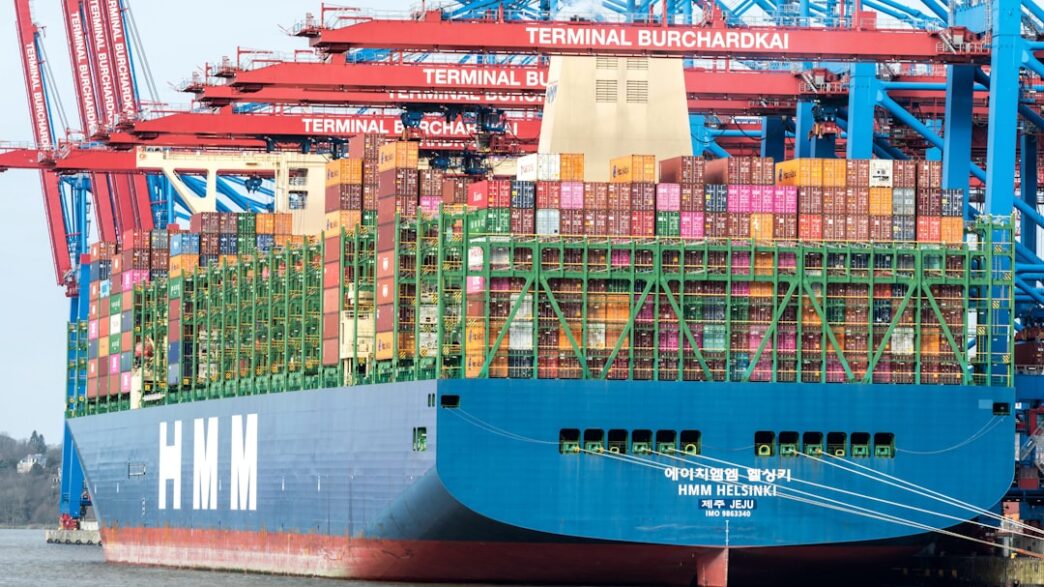
Raising tariffs on imported goods typically leads to increased prices for consumers and can disrupt domestic and international supply chains. When a government imposes higher tariffs, it effectively raises the cost of foreign products, which businesses often pass on to consumers. This means that consumers pay more for imported items, leading to inflationary pressures in the economy. For instance, in the U.S. trade battle with China, tariffs imposed on various consumer goods resulted in higher prices for electronics, clothing, and other imports.
The immediate effects can be seen in several areas:
– **Consumer Prices:** Higher tariffs mean increased costs for imported goods. Retailers often raise prices to maintain their profit margins, leading to a direct impact on consumers. For example, after the U.S. implemented tariffs on steel and aluminum in 2018, industries reliant on these materials, such as automotive and construction, experienced higher costs, which were reflected in consumer prices.
– **Domestic Production:** While tariffs aim to protect domestic industries by making foreign products more expensive, the reality is complex. Some local industries may benefit in the short term as consumers turn to domestic alternatives. However, if companies rely on imported raw materials or components, they may face higher production costs, leading to reduced competitiveness.
– **International Relations:** Tariffs can lead to trade retaliation. Countries affected by tariffs may respond with their own tariffs, creating a cycle that can escalate into a trade war. This was evident during the U.S.-China trade tensions, where both nations imposed tariffs on billions of dollars worth of goods, harming businesses and consumers in both economies.
– **Supply Chains:** Industries that depend on global supply chains can be severely disrupted. Higher tariffs make it costlier to source materials and products internationally, forcing companies to reconsider their supply chain strategies. This could lead to a reevaluation of sourcing locations or even scaling back production.
It’s also important to consider the long-term implications. While tariffs might safeguard certain jobs in the short term, they can lead to inefficiencies in the economy. Companies focused on producing goods that are now protected by tariffs may lack the incentive to innovate or improve productivity. Over time, this can slow economic growth.
Real-world examples can illustrate these effects. The 2018 tariffs on Chinese goods led to a significant rise in prices for many products in the U.S. economy. According to a study from the Federal Reserve, the tariffs imposed during this period resulted in an overall price increase of 0.3% to 0.4% for U.S. consumer goods, particularly affecting lower-income households that tend to spend a larger portion of their income on these goods.
Ultimately, while the intention behind raising tariffs may be to protect domestic industries and jobs, the broader economic effects can lead to higher prices, trade tensions, and potential long-term inefficiencies that may hinder growth.