Tariffs directly affect a country’s economy by imposing taxes on imported goods. When a government raises tariffs, it typically aims to protect domestic industries from foreign competition. This can lead to higher prices for consumers since domestic products may be more expensive than their imported counterparts. Consequently, consumers often face limited choices, and businesses that rely on imported materials may see their production costs rise.
For example, when the United States increased tariffs on steel and aluminum in 2018, it aimed to bolster American manufacturers. However, this policy had mixed results. While it benefitted some domestic steel producers by making their products comparatively cheaper, industries that depend on these metals, like automotive and construction, faced increased input costs. As a result, some companies raised prices for consumers, which contributed to inflationary pressures.
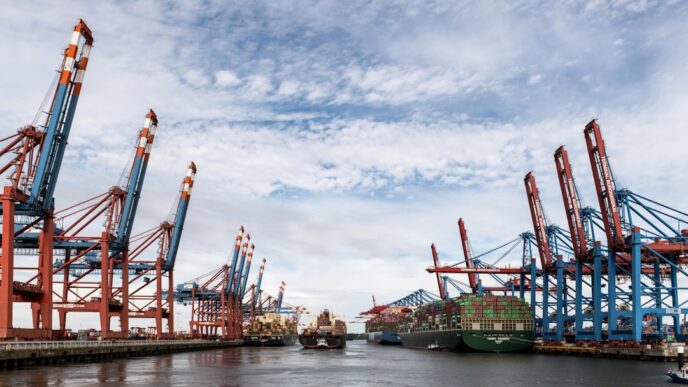
Raising tariffs can also lead to retaliation from trading partners. Countries affected by such policies may impose their own tariffs on exports from the country that initiated the increase. This cycle can escalate into a trade war, harming various sectors of the economy. In the case of the US-China trade dispute, both nations imposed tariffs on each other’s goods, disrupting supply chains and affecting businesses and consumers alike.
Here are some key impacts of tariffs on the economy:
– **Higher Prices:** Domestic consumers often pay more for goods, leading to a decrease in overall purchasing power.
– **Supply Chain Disruptions:** Companies reliant on imported goods may face challenges in maintaining their operations, affecting production schedules and delivery times.
– **Market Distortion:** Tariffs can distort market competition, leading to inefficiencies as resources are allocated based on artificial price structures rather than consumer demand.
– **Job Creation vs. Job Loss:** While some industries may gain jobs due to protective tariffs, others, especially those dependent on exports or imports, may lose jobs as a result of retaliatory tariffs.
The economic effects of tariffs can vary significantly depending on the size of the tariff, the goods affected, and the response from trading partners. Long-term reliance on tariffs might stifle innovation and efficiency in domestic industries, as companies may not feel the pressure to compete globally.
In summary, while tariffs can provide short-term benefits for certain sectors, they often lead to broader economic challenges. Understanding these dynamics is crucial for policymakers as they navigate the complex landscape of international trade.