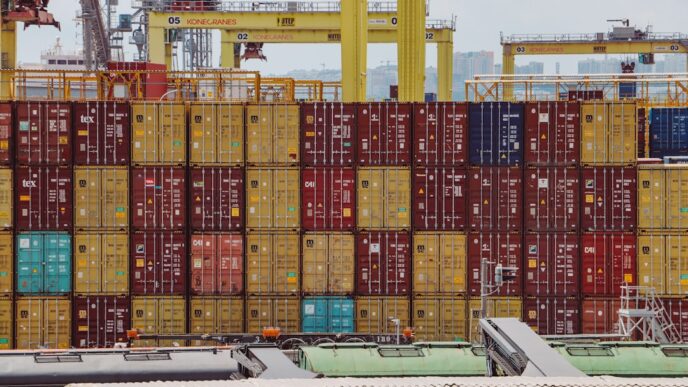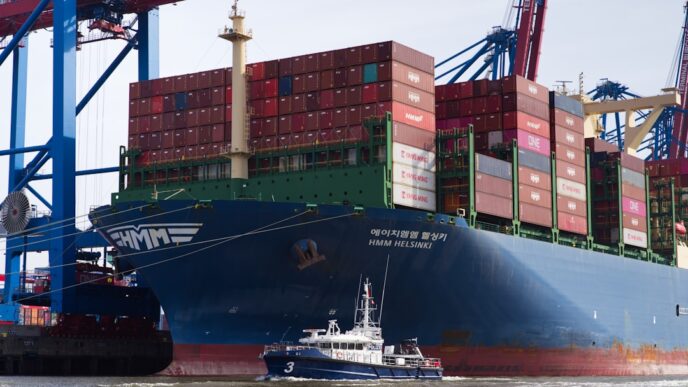
Tariffs are taxes imposed on imported goods, and they can significantly impact the prices consumers pay for these products. When a government raises tariffs, the immediate effect is often an increase in the cost of imported goods. Importers pass on these costs to consumers, leading to higher retail prices. For example, if the U.S. government imposes a 25% tariff on steel imports, companies that rely on imported steel for manufacturing might raise their prices to maintain profit margins. This chain reaction can extend to various industries, from automotive to construction, where the cost of essential materials rises.
Higher prices for imported goods can also trigger inflation in the domestic market. When consumers face steeper prices, their purchasing power diminishes. This situation can create a ripple effect throughout the economy, where domestic products’ prices may also rise as competition with higher-priced imports decreases. Consumers might opt for cheaper alternatives, but this doesn’t always guarantee savings, especially if domestic suppliers also raise their prices in response to increased demand.
Additionally, the broader economic implications of raising tariffs are noteworthy. For example, during the U.S.-China trade war, tariffs were significantly increased on various goods. This led to higher prices across multiple sectors, impacting everything from electronics to everyday consumer products. As companies faced higher costs, some chose to absorb those costs, while others passed them on to consumers. The tariffs aimed to protect domestic industries but also led to complaints from consumers about rising prices for essential goods.
Consider the example of washing machines. In 2018, the U.S. imposed tariffs on imported washing machines, which led to price increases of around 20-30% for these products. While the intent was to support domestic manufacturers, the immediate consequence was that consumers had to pay significantly more for a product that had previously been cheaper due to competition from imports.
Moreover, tariffs can also affect supply chains. Companies that rely on imported components may find their costs rising, leading them to reconsider their sourcing strategies. In some cases, businesses might move production to countries with lower tariffs or even invest in local manufacturing, which can reshape industry landscapes over time.
To sum up, while tariffs can protect domestic industries, they often lead to higher prices for consumers and can create broader economic challenges. Understanding these dynamics helps consumers and businesses alike navigate the complexities of international trade policies and their repercussions.