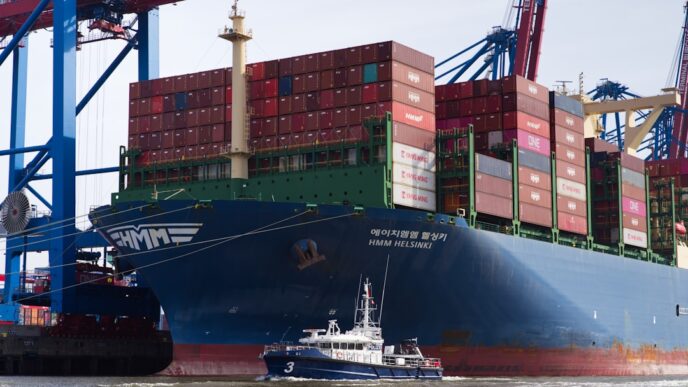
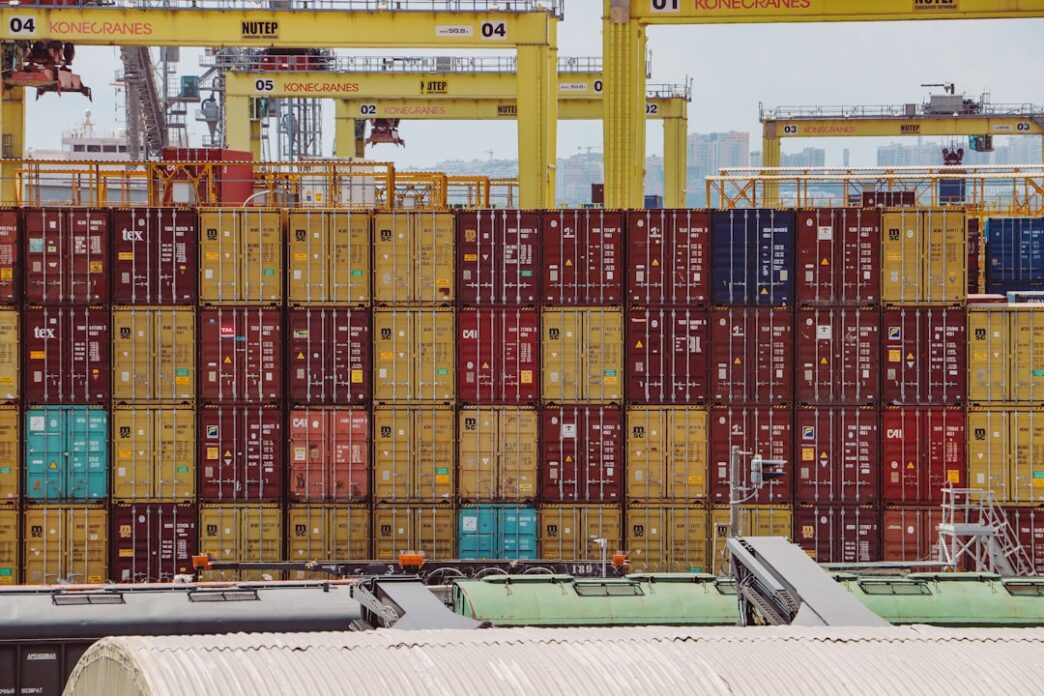
Raising tariffs on imported goods generally leads to higher prices for consumers and can disrupt global supply chains. When a country imposes higher tariffs, it increases the cost of imported products, which often results in businesses passing those costs onto consumers. For instance, if the U.S. raises tariffs on steel, American manufacturers relying on foreign steel would face increased production costs. This could lead to higher prices for cars and appliances, ultimately affecting consumers.
Additionally, tariffs can impact domestic industries. While some sectors may benefit from reduced foreign competition, others may suffer. For example, industries that rely on imported parts might experience higher costs, leading to potential layoffs or reduced investment. The U.S.-China trade war that began in 2018 exemplifies this phenomenon. Tariffs imposed on thousands of products raised costs for U.S. businesses and consumers while hurting certain sectors, such as agriculture, which lost access to Chinese markets due to retaliatory tariffs.
Higher tariffs can also spark trade disputes, encouraging countries to impose their own tariffs in retaliation. This tit-for-tat escalation can disrupt global trade relationships and lead to a decline in international trade volumes. For example, after the U.S. imposed tariffs on Chinese goods, China responded with tariffs of its own on American products, affecting billions in trade.
There are also longer-term economic implications to consider. While tariffs can provide short-term protection to domestic industries, they may also lead to inefficiencies. Companies that benefit from less competition may become complacent, leading to reduced innovation and productivity. In the long run, this can hurt the economy’s overall competitiveness.
In summary, raising tariffs is a complex economic action that can lead to higher consumer prices, disrupt industries and trade relationships, and create inefficiencies in the domestic market. Policymakers must weigh these potential impacts carefully against the perceived benefits of protecting local industries. The effects are often felt beyond borders, indicating that trade policy decisions can have far-reaching consequences in today’s interconnected economy.