
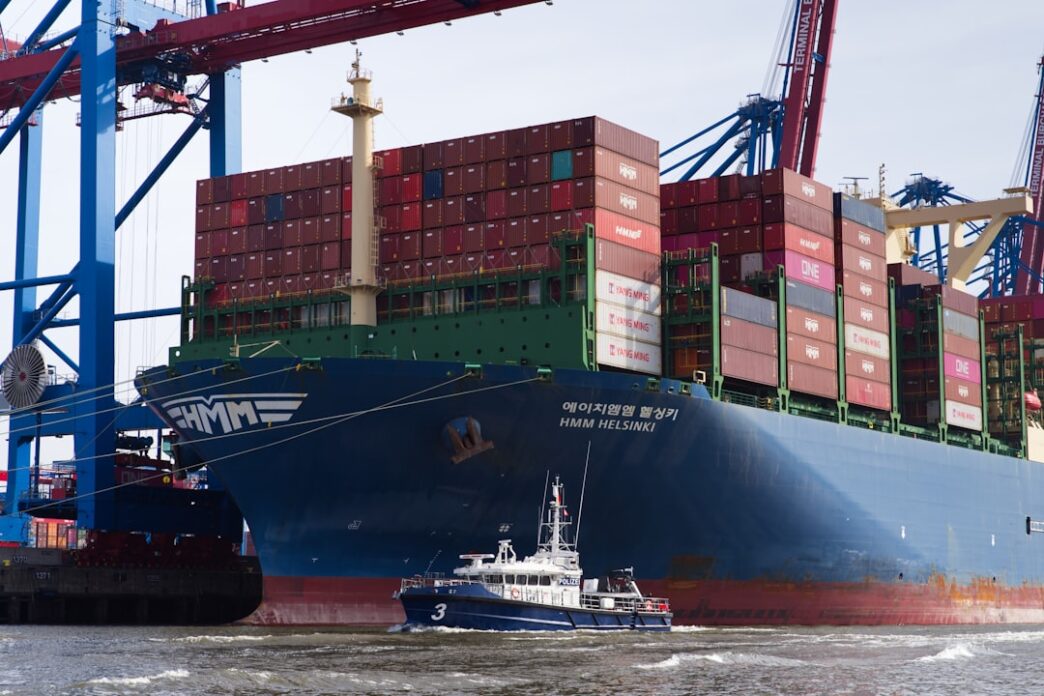
Tariffs directly raise the cost of imported goods, which can lead to higher prices for consumers. When a government imposes a tariff, importers must pay a tax on the goods they bring into the country. This extra cost is often passed on to consumers, leading to increased prices at the store. For instance, if the United States imposes a 25% tariff on steel imports, manufacturers relying on imported steel may raise their prices to maintain profit margins, which affects everything from cars to construction materials.
Higher prices from tariffs can also trigger inflation. When consumers face increased costs for essential goods, they may adjust their spending habits, leading to broader economic shifts. If a large number of businesses raise their prices due to tariffs, the overall inflation rate may rise, impacting the purchasing power of households.
Real-world examples illustrate this effect. In 2018, the U.S. implemented tariffs on solar panels and washing machines, aiming to protect domestic manufacturers. While this policy aimed to boost American jobs, the price of solar installations and appliances surged, leading to increased costs for consumers. According to the Solar Energy Industries Association, the upfront costs of solar systems increased, causing some potential customers to delay or abandon their purchase decisions.
Consider the impact on specific sectors. Tariffs can disproportionately affect industries that rely heavily on imports. For example:
– **Automotive Industry**: A tariff on imported auto parts can lead to higher prices for vehicles, affecting consumer choices and potentially reducing sales.
– **Agriculture**: Farmers may face higher prices for imported fertilizers and equipment, which can increase the cost of food production.
The ripple effects of tariffs extend beyond immediate price increases. They can disrupt supply chains, leading to inefficiencies and potential job losses as companies grapple with increased costs. In turn, businesses might seek alternative suppliers or adjust their operational strategies, which can foster long-term shifts in the market.
In competitive markets, domestic producers might benefit from reduced foreign competition due to tariffs, but this can create complacency. Without the pressure of competitive pricing, domestic producers may lack the incentive to innovate or improve quality, ultimately harming consumers in the long run.
Ultimately, the balance between protecting domestic industries and ensuring affordable prices for consumers is complex. Policymakers must weigh the short-term benefits of tariffs against potential long-term inflationary impacts, market distortions, and the overall health of the economy. Understanding how tariffs influence the prices of imported goods is crucial for consumers, businesses, and policymakers alike, as these decisions can have far-reaching consequences.