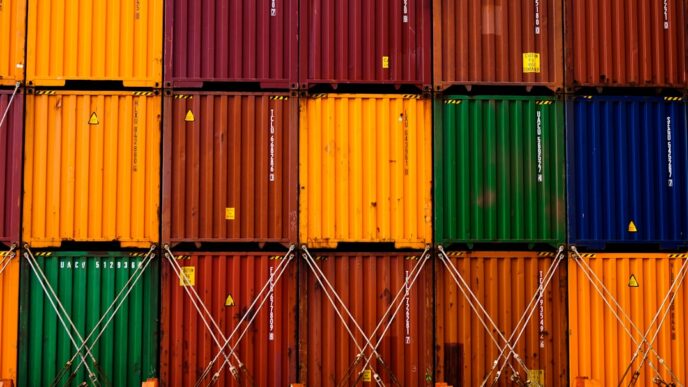

Raising tariffs typically leads to increased prices on imported goods, which directly affects consumers and businesses. When a government imposes higher tariffs on foreign products, those additional costs are often passed along the supply chain. For example, if the United States raises tariffs on steel imports, manufacturers who rely on this material would face increased costs, which they may pass on to consumers in the form of higher prices for finished goods such as cars and appliances.
The immediate effects can include:
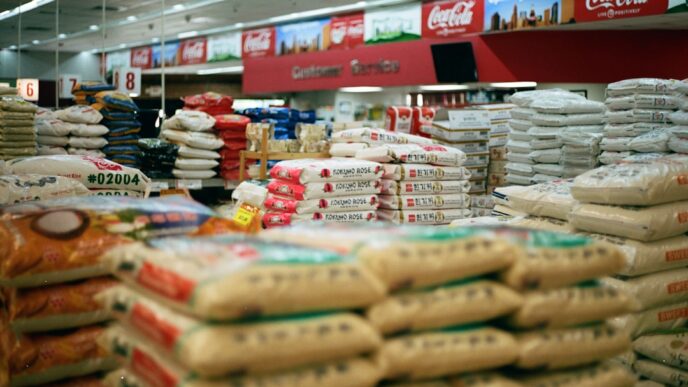
– **Higher Consumer Prices:** Imported goods become more expensive, making everyday items like electronics, clothing, and food costlier. This can strain household budgets, especially for lower-income families who spend a larger portion of their income on necessities.
– **Reduced Choices:** With increased costs, some consumers may opt for domestically produced items or lower-quality alternatives, leading to a reduction in variety and availability of products in the market.
– **Impact on Local Businesses:** While some local industries may benefit from reduced foreign competition due to tariffs, others that rely on imported materials may struggle. For instance, U.S. agricultural businesses that export goods may find themselves at a disadvantage if other countries retaliate with their own tariffs, affecting their market access.
One notable example of the consequences of tariff increases occurred during the trade tensions between the U.S. and China beginning in 2018. The Trump administration imposed tariffs on billions of dollars’ worth of Chinese goods, which not only led to higher prices for consumers but also resulted in retaliatory tariffs from China. American farmers faced significant losses as China placed tariffs on U.S. agricultural products, highlighting how interconnected the global economy is and how tariffs can ripple across various sectors.
It’s also worth noting that raising tariffs can lead to inflationary pressures. When businesses incur higher costs due to tariffs, they may increase wages to attract workers or invest in domestic production, which can further drive up prices across the economy. This inflationary environment can lead central banks to alter monetary policies, such as increasing interest rates to combat rising prices.
Overall, while raising tariffs might be aimed at protecting specific industries or encouraging domestic production, the broad implications often extend to consumers and the economy as a whole, highlighting the complexities of international trade policies.