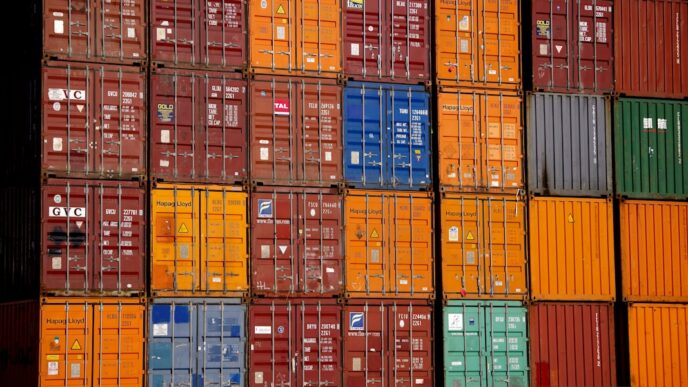
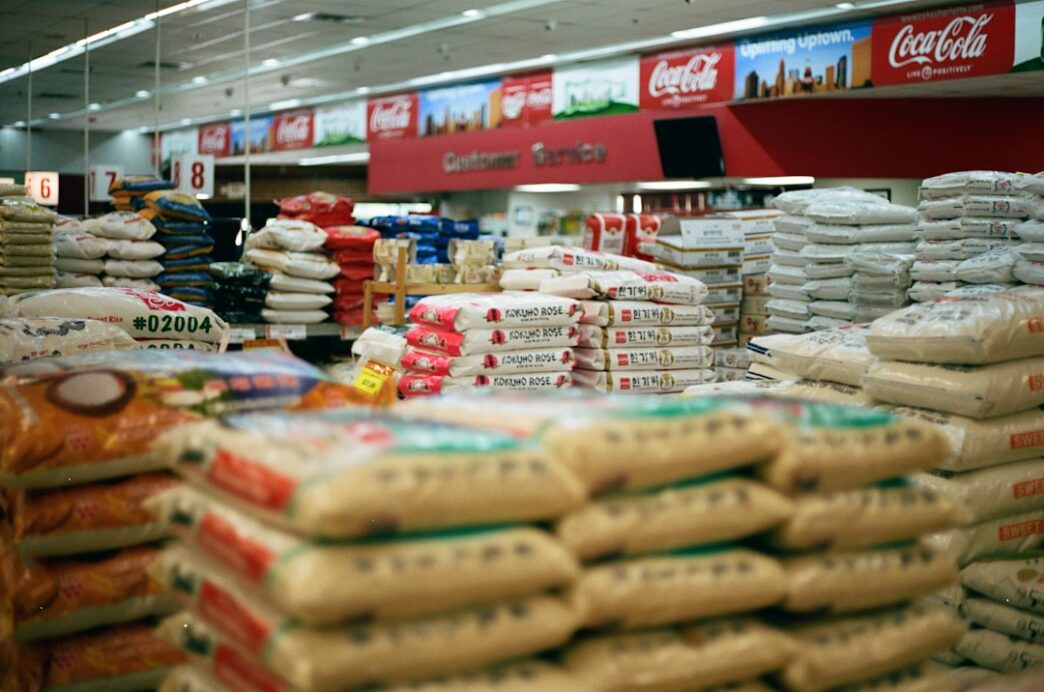
Tariffs, which are taxes imposed on imported goods, can lead to an increase in consumer prices. When a country raises tariffs on specific products, the immediate effect is that the cost of importing those goods rises. Importers often pass these costs onto consumers, resulting in higher prices for everyday items. For instance, when the United States imposed tariffs on steel and aluminum imports in 2018, many manufacturers raised prices for products that relied on these materials, from automobiles to beer cans.
The link between tariffs and consumer prices can be illustrated with a practical example. Let’s say a country imposes a 25% tariff on imported bicycles. Importers now face a higher cost—if the bike originally cost $200, the new cost after the tariff would be $250. Retailers, needing to maintain their profit margins, may increase the sale price to around $270 to accommodate for both the tariff cost and their markup. As a result, consumers end up paying significantly more for the same product.
Aside from direct price impacts, tariffs can also disrupt supply chains. Companies that rely on imported materials may experience delays or shortages, pushing them to seek more expensive local alternatives. This can further exacerbate price increases across various sectors. For example, the trade tensions between the U.S. and China led to increased costs for electronics, as components that were previously sourced at lower prices from China became more expensive due to tariffs.
Additionally, tariffs can affect inflation. When consumers face higher prices due to tariffs, they may reduce their spending on other goods and services. If a large number of consumers cut back on spending, it can lead to a slowdown in economic growth. Conversely, if companies invest in domestic production in response to tariffs, they might create jobs in the short term, but this could also lead to longer-term price inflation if demand continues to outstrip supply.
It’s important to consider the broader implications of tariffs as well. While they may protect certain domestic industries by making foreign competitors more expensive, they can also lead to retaliation from other countries, further escalating prices and potentially resulting in a trade war. The 2019 trade conflict between the U.S. and China serves as a clear example, where both nations imposed tariffs on each other’s goods, leading to increased prices for consumers on both sides of the Pacific.
In summary, tariffs tend to raise consumer prices by increasing the cost of imported goods, which companies pass on to consumers. They also disrupt supply chains and can influence inflationary trends in an economy. Consumers often feel the effects of these policies directly in their wallets, making it crucial to monitor how trade policies evolve and impact daily life.