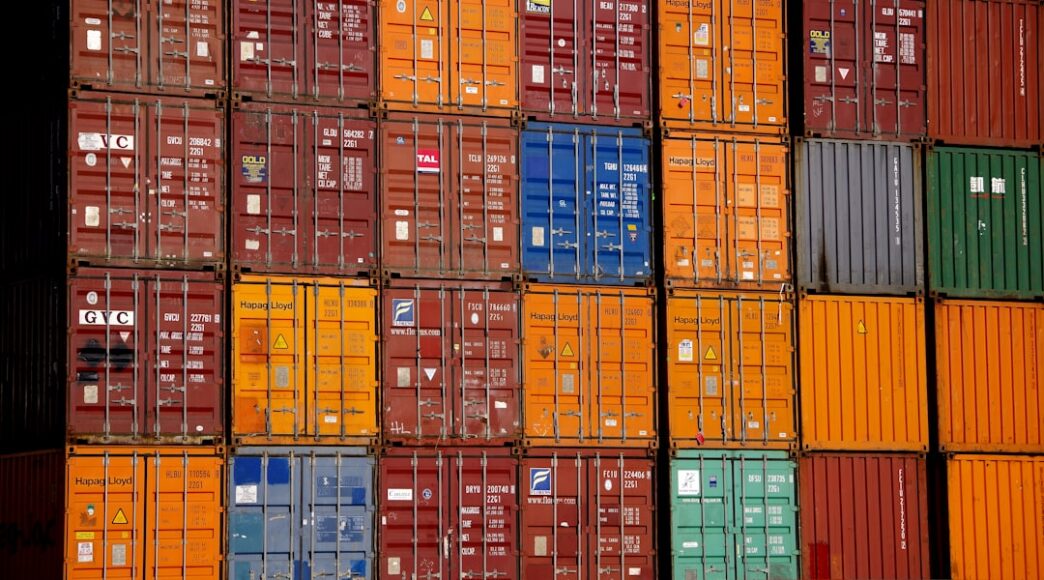
Tariffs are taxes imposed by a government on imported goods, and they can significantly affect domestic prices. When a country raises tariffs, the cost of imported goods increases. Businesses that rely on these imports often pass on these additional costs to consumers, leading to higher prices for products. For instance, if the U.S. imposes tariffs on steel imports, American manufacturers who need steel for production will face increased expenses. As a result, they may raise prices for their final products, such as cars or appliances, to maintain profit margins.
The impact of tariffs extends beyond just the immediate price increase. They can also trigger a ripple effect throughout the economy. Higher costs for raw materials can reduce profit margins for domestic companies, potentially leading to layoffs or decreased investment in growth. This can ultimately hinder economic expansion and may contribute to inflation as consumers pay more for goods and services.
Consider the trade policies during the U.S.-China trade war, which saw significant tariff increases imposed by both nations. The U.S. government increased tariffs on Chinese imports, prompting China to respond with tariffs on American goods. Reports indicated that consumers in the U.S. faced higher prices for various products, including electronics and clothing, as the increased costs were passed along through the supply chain. Estimates suggested that the trade war tariffs cost the average American household around $600 a year.
Several factors determine the ultimate effect of tariffs on domestic prices:
– **Dependence on Imports:** If a country relies heavily on imports for certain goods or raw materials, tariffs can lead to steep price increases.
– **Market Competition:** In a competitive market, companies may absorb some of the costs instead of passing them on to consumers. However, in less competitive markets, consumers are more likely to see significant price hikes.
– **Elasticity of Demand:** If consumers are not sensitive to price increases for essential goods, companies may increase their prices without losing sales. Conversely, for non-essential items, higher prices can lead to decreased demand.
Additionally, tariffs can provoke retaliation from other countries, leading to a cycle of trade barriers that can further disrupt pricing and availability of goods. For example, after the U.S. imposed tariffs on steel and aluminum, key trading partners like Canada and the European Union raised their own tariffs on U.S. exports, affecting various sectors, including agriculture.
It’s worth noting that while tariffs can protect domestic industries from foreign competition and create jobs in specific sectors, the overall impact on consumers is often negative due to higher prices. Policymakers must weigh these trade-offs carefully, as the long-term implications of tariffs can influence economic stability and consumer behavior. Understanding how tariffs work and their effects on domestic prices can help consumers and businesses navigate a complex economic landscape.