
Tariffs, which are taxes imposed on imported goods, can significantly affect domestic prices. When a country raises tariffs, the cost of importing goods increases for businesses. This often leads to higher prices for consumers, as companies pass on these costs to maintain their profit margins. For example, when the United States increased tariffs on steel and aluminum in 2018, domestic manufacturers faced higher raw material costs. This resulted in increased prices for products like cars and appliances that rely on these metals.
The immediate effect of tariffs is the reduction of competition from foreign manufacturers. With higher prices on imported goods, consumers might turn to domestic alternatives. However, if domestic producers can’t keep up with demand or if they also raise their prices in response to reduced import competition, consumers may still face higher overall costs. This scenario highlights a classic case of supply and demand interaction, where tariffs can create price distortions in the marketplace.
In addition to raising prices, tariffs can also lead to inflation. When consumers have to pay more for goods, their overall cost of living can rise, prompting central banks to adjust interest rates to manage inflation. For instance, in 2019, the Federal Reserve warned of potential inflationary pressures resulting from increased tariffs on Chinese goods, which could cause a ripple effect across various sectors of the economy.
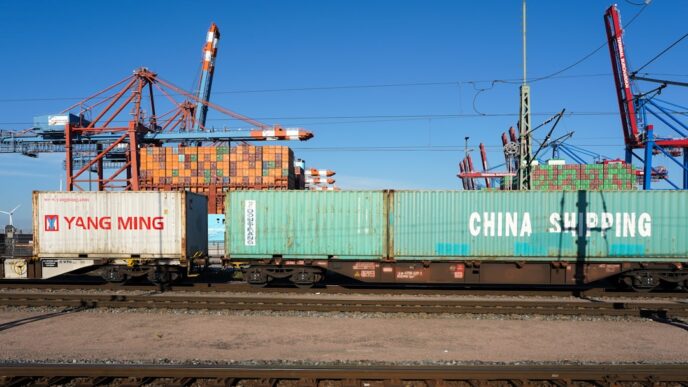
Consider the case of the U.S.-China trade war, where each country imposed tariffs on hundreds of billions of dollars’ worth of goods. The tariffs led to noticeable price increases on everyday consumer items, from electronics to clothing. Additionally, U.S. farmers faced retaliatory tariffs from China, which impacted their export markets and led to lower prices for their goods domestically. This interconnectedness highlights how tariffs can stifle trade and create a complex web of economic consequences that extend beyond mere price increases.
On the flip side, some argue that tariffs can protect domestic industries and jobs. By restricting imports, governments aim to boost local manufacturing and reduce reliance on foreign goods. However, this protectionist approach can lead to inefficiencies as domestic producers may lack the competitive pressure to innovate or reduce costs.
In summary, while tariffs can protect certain sectors of the economy, they often lead to higher prices for consumers and can contribute to inflation. The balance between protecting domestic industries and maintaining fair prices is a challenging policy dilemma that many governments face. Understanding these dynamics is crucial for consumers and businesses alike, as they navigate the complexities of the global trade landscape.