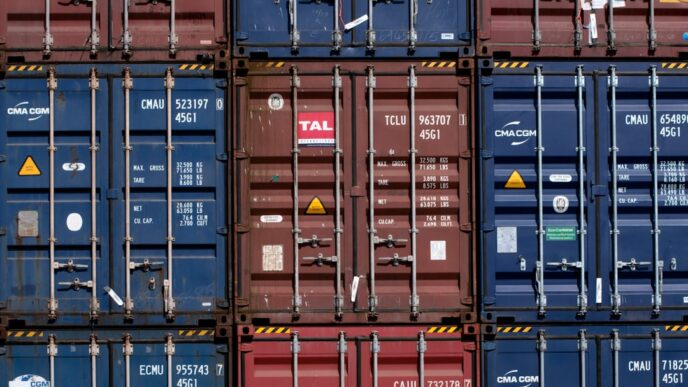
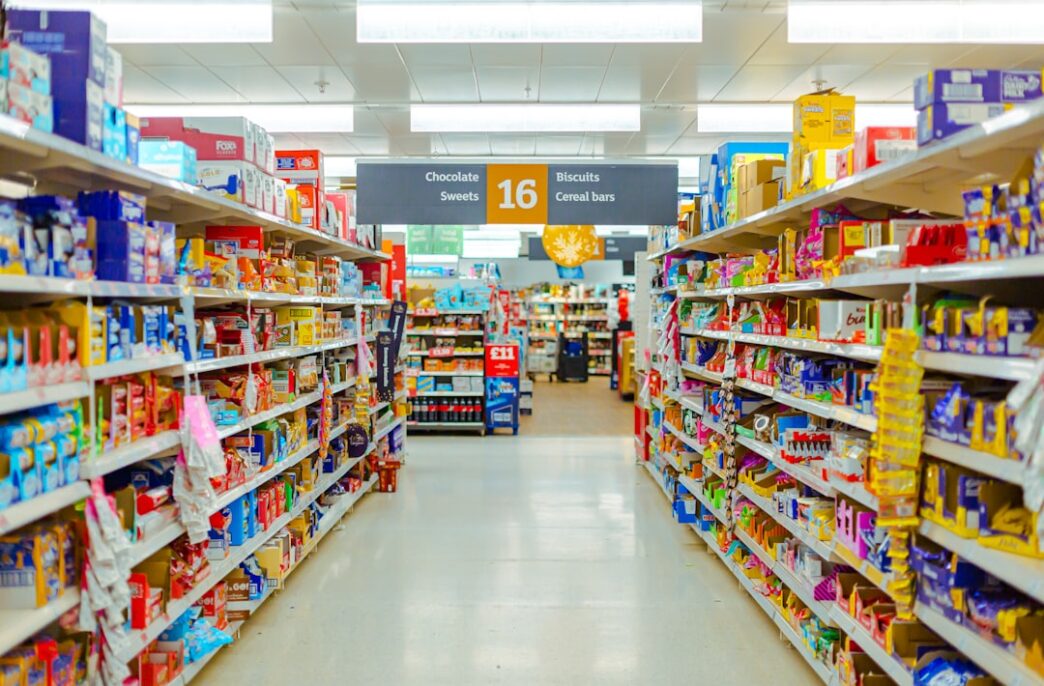
Rising tariffs directly increase the cost of imported goods, which in turn affects consumer prices. When a government imposes tariffs, it essentially adds an additional tax on foreign products. Businesses importing these goods often pass on the extra costs to consumers, resulting in higher prices at stores. For example, when the U.S. implemented tariffs on steel and aluminum in 2018, many manufacturers raised prices for products made with those materials, such as cars and construction supplies.
The impact of these tariffs can create a ripple effect in the economy. Increased consumer prices can lead to inflation, as the overall cost of living rises. If consumers are spending more on basic goods, they may cut back on other purchases, leading to reduced demand in other sectors. This situation can slow economic growth or even push the economy into a recession if consumers begin to feel the pinch.
– **Immediate Impact:** The prices of imported goods increase.
– **Long-term Effects:** Possible inflation and shifts in consumer spending behavior.
For instance, during the trade tensions between the U.S. and China, many American consumers faced higher prices on a variety of products, from electronics to clothing. Retailers had to re-evaluate their supply chains, often seeking cheaper alternatives or absorbing costs, which could lead to reduced profit margins.
It’s also crucial to consider the broader implications of tariffs. While they can protect domestic industries by making foreign competition more expensive, they can also lead to retaliatory measures from other countries. For example, after the U.S. imposed tariffs, China responded with its own tariffs on American goods, affecting various sectors such as agriculture. U.S. farmers, who relied heavily on exports to China, found themselves in a challenging position, with prices for products like soybeans dropping significantly.
Ultimately, rising tariffs can cause a mixed bag of economic outcomes. While they might benefit specific domestic industries in the short term, the long-term consequences on consumer prices and overall economic health can be detrimental. Understanding these dynamics is essential for consumers and businesses navigating the complexities of international trade policies.