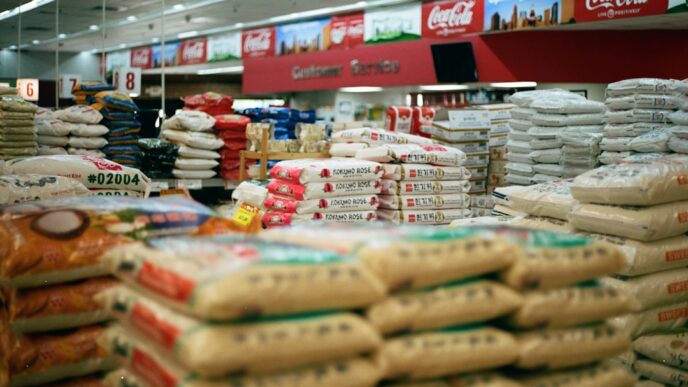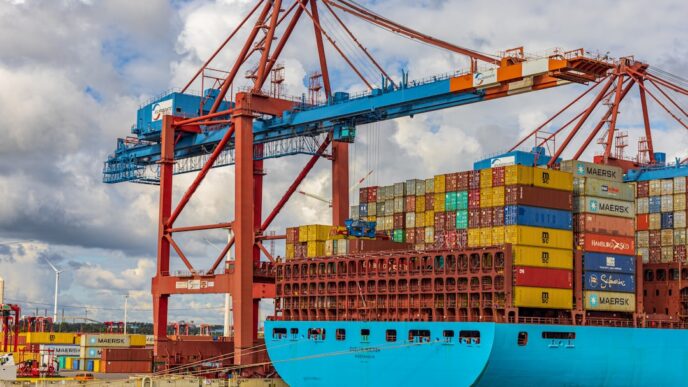

Tariffs directly increase the cost of imported goods, which can lead to higher consumer prices. When a government imposes a tariff on a product, it raises the price that importers must pay to bring those goods into the country. This increased cost is often passed down to consumers, resulting in higher prices at retail. For example, when the United States raised tariffs on steel and aluminum in 2018, many industries that relied on these materials faced increased production costs. This led to higher prices for products ranging from cars to canned goods.
The magnitude of the price increase can vary based on several factors, including the elasticity of demand for the goods and the ability of consumers to switch to alternative products. If demand is inelastic—meaning consumers are less sensitive to price changes—the price hike will likely be more pronounced. Conversely, if there are readily available substitutes, consumers might opt for alternatives, potentially dampening the impact of the tariff.
Here are a few key mechanisms by which tariffs influence consumer prices:
– **Cost-Push Inflation:** When tariffs increase the cost of raw materials or goods, manufacturers often raise their prices to maintain profit margins. This can contribute to overall inflation in the economy.
– **Retaliation Effects:** Countries affected by tariffs may retaliate with their own tariffs, further compounding the price increases on a broader range of goods. For instance, after the U.S. imposed tariffs on certain imports, countries like China responded with tariffs on American agricultural products, impacting prices for U.S. farmers and consumers alike.
– **Sector-Specific Impacts:** Industries reliant on imports can see significant price fluctuations. The automotive industry can be particularly sensitive; for example, a tariff on imported parts may lead to higher vehicle prices, directly affecting consumer purchasing decisions.
Consumer goods are not the only area impacted—the effects can ripple through the economy. For instance, a tariff on electronics could raise the cost of devices like smartphones and laptops. If consumers decide to delay purchases due to higher prices, it can slow down economic growth.
Real-world scenarios illustrate these effects. According to the Federal Reserve Bank of New York, the 2018 tariffs on imported washing machines led to a price increase of around 20%. Consumers saw this directly reflected in their shopping carts, which can alter spending habits and overall demand.
Understanding the relationship between tariffs and consumer prices is crucial for making informed decisions as a consumer or a business owner. Evaluating the potential impacts of tariffs can guide purchasing strategies and financial planning, especially in industries that are heavily affected by international trade policies.