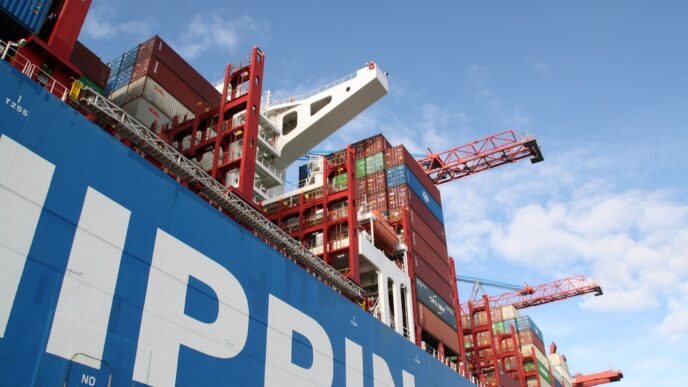

Tariffs, which are taxes imposed on imported goods, can significantly impact a country’s economy in various ways. When a government raises tariffs, it generally leads to an increase in the price of imported goods. This can encourage consumers to buy domestically produced items, potentially benefiting local manufacturers. However, higher prices can also lead to inflation, as consumers face increased costs for goods that may not be available domestically.
The immediate effect of raising tariffs is often felt in specific industries. For example, the 2018 trade tariffs imposed by the United States on steel and aluminum imports were intended to protect domestic producers. Initially, this led to a boost for those industries, resulting in an uptick in production and job creation. However, the higher costs were passed down the supply chain, affecting manufacturers who rely on these metals, leading to increased prices for products ranging from cars to appliances.
On a broader scale, tariffs can shift trade relationships between countries. Countries affected by tariffs might retaliate with their own tariffs, which can escalate into trade wars. The trade tensions between the U.S. and China exemplify this dynamic, where both countries imposed tariffs on billions of dollars’ worth of goods, disrupting global supply chains and creating uncertainty in international markets.
The economic consequences of tariffs can vary widely depending on the overall structure of the economy. Here are some potential outcomes:
– **Increased Consumer Prices:** As import prices rise, consumers often face higher costs for goods, which can reduce purchasing power and lead to inflation.
– **Domestic Industry Protection:** Tariffs can provide temporary relief to domestic industries, allowing them to compete with foreign imports. However, this protection can lead to complacency and reduced innovation.
– **Global Trade Tensions:** Tariffs can strain political relationships and lead to retaliation, which can have a long-term impact on international trade agreements and partnerships.
A historical example of tariff impact occurred during the Great Depression when the U.S. enacted the Smoot-Hawley Tariff Act in 1930. This law raised tariffs on hundreds of imported goods, which led to retaliatory tariffs from other countries, significantly reducing international trade and worsening the economic downturn.
In summary, while tariffs can bolster certain domestic industries by making foreign goods more expensive, they often lead to increased prices for consumers and can trigger broader economic challenges, including trade wars. The balance between protecting local businesses and ensuring a healthy, competitive market is a complex issue that continues to impact global economic policies today.