When a country raises tariffs, it imposes taxes on imported goods, which can have several immediate and far-reaching economic effects. One of the most significant impacts is the increase in the cost of imported products. As tariffs are levied, foreign goods become more expensive, leading consumers to either pay more for these goods or switch to domestically produced alternatives. This shift can stimulate local industries, but it also raises prices for consumers, resulting in inflationary pressures.
For example, when the United States imposed tariffs on steel and aluminum in 2018, it intended to protect domestic producers. However, the immediate effects were felt across various industries. Companies reliant on these metals faced higher production costs, which they either absorbed or passed on to consumers. This led to higher prices for products like vehicles and appliances, demonstrating how tariffs can cascade through the economy.
Another key effect of raising tariffs is the potential for retaliatory measures from trading partners. Countries affected by tariff increases might respond by imposing their own tariffs on exports from the country that initiated the increase. This tit-for-tat strategy can escalate into a trade war, harming not just the industries directly affected, but also broader economic relationships. The trade tensions between the U.S. and China are a prime example. When the U.S. raised tariffs on Chinese goods, China retaliated with tariffs of its own, affecting agricultural exports and causing uncertainty in markets.
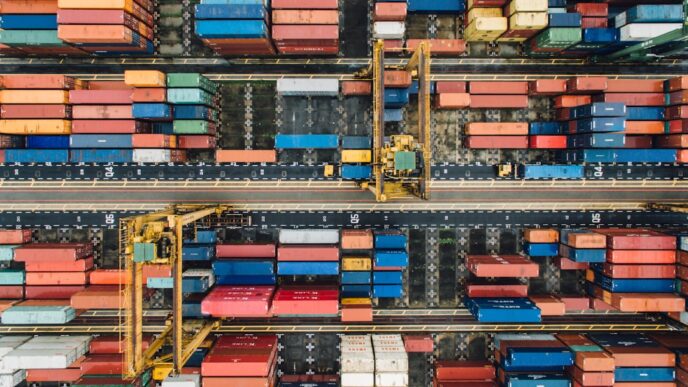
Additionally, tariffs can disrupt global supply chains. Many modern businesses rely on a network of international suppliers to source materials and components at competitive prices. Increasing tariffs can lead to increased costs, inefficiencies, and even shortages. Companies may need to rethink their supply chains, potentially leading to layoffs or slower economic growth.
On the consumer side, while some domestic industries may benefit from reduced competition, the overall effect of higher tariffs tends to increase costs for consumers. A study by the Federal Reserve Bank of New York estimated that tariffs on Chinese goods could raise prices for American consumers by about $1,400 per year for a typical family. This illustrates the real burden tariffs can place on households, often undermining any perceived benefits of protecting local industries.
In the longer term, persistent tariffs can shift economic dynamics. If domestic producers grow complacent due to reduced competition, innovation may stall. This can harm overall productivity and economic growth in the long run. Thus, while raising tariffs might be a tool for short-term protection, it carries the risk of broader economic implications that policymakers must consider.
In summary, increasing tariffs can lead to higher costs for consumers, retaliatory actions from other countries, disruptions in supply chains, and long-term impacts on economic growth. The interplay of these factors showcases the complexity of international trade and the careful balance policymakers must achieve when considering tariff adjustments.