
Tariffs, which are taxes imposed on imported goods, have a significant impact on a country’s economy. When a government raises tariffs, it generally aims to protect domestic industries from foreign competition by making imported goods more expensive. This can lead to a variety of economic outcomes, both positive and negative.
On the positive side, increasing tariffs can initially benefit local manufacturers. By making foreign products more expensive, domestic goods may become more attractive to consumers. For example, when the United States imposed tariffs on steel and aluminum in 2018, it aimed to bolster local steel production, which saw a temporary surge in sales and jobs in that sector.
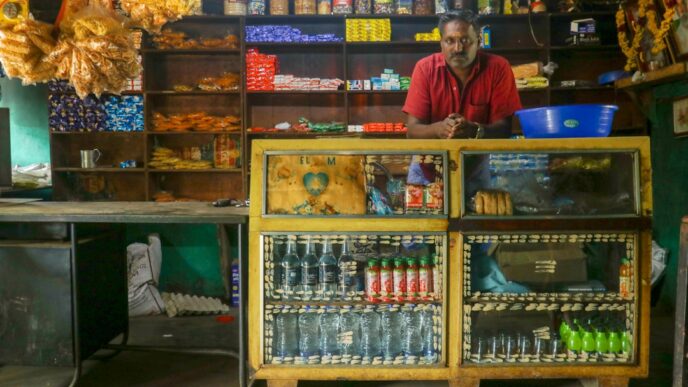
However, the broader implications are often detrimental. Higher tariffs can lead to increased prices for consumers, as companies may pass the cost of the tariffs onto customers. This can contribute to inflation, especially if the goods affected are widely used, like electronics or automobiles. For instance, the tariffs on steel led to higher costs for home builders, which ultimately raised the prices of new homes.
Additionally, tariffs can provoke retaliatory measures from other countries. If a major economy raises tariffs, trading partners may respond by imposing their own tariffs, which can escalate into a trade war. A notable example is the trade tensions between the U.S. and China, where both countries implemented a series of tariffs that disrupted global supply chains and increased uncertainty in international markets.
Key implications of tariffs include:
– **Higher Consumer Prices:** Domestic consumers often end up paying more for goods as companies adjust prices to maintain profit margins.
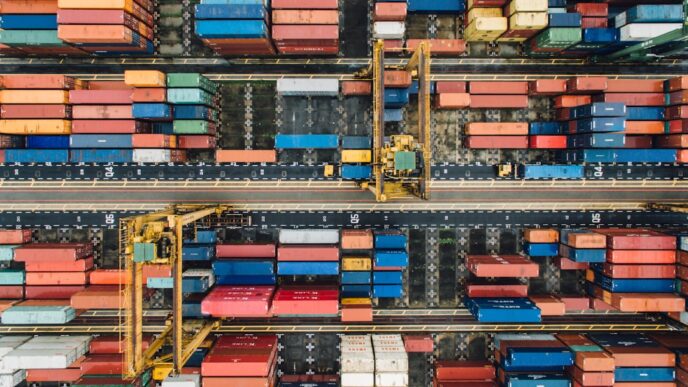
– **Supply Chain Disruptions:** Tariffs can complicate supply chains, leading to inefficiencies and delays, especially in industries that rely on international components.
– **Job Market Shifts:** While some jobs may be created in protected industries, jobs can be lost in sectors reliant on imports or export markets that are affected by retaliatory tariffs.
– **Potential Economic Slowdown:** If tariffs lead to significant increases in consumer prices, spending may decline, which could slow down overall economic growth.
In summary, while tariffs may provide short-term benefits to specific industries, the long-term effects often lead to increased prices for consumers, strained international relations, and potential economic slowdown. The balance between protecting domestic industries and maintaining healthy trade relationships is a delicate one, and policymakers must carefully consider the ramifications of tariff policies.