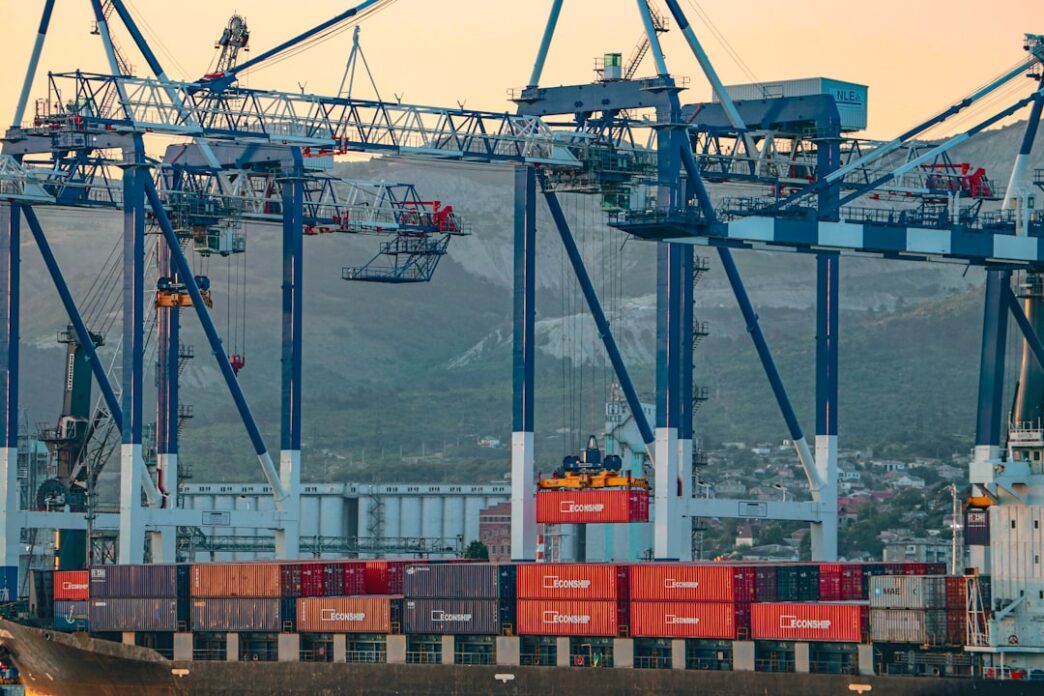
Tariffs are taxes imposed on imported goods, designed to make foreign products more expensive and encourage consumers to buy domestically produced items. When a country raises tariffs, the immediate impact is often an increase in the prices of imported goods. This can lead to higher prices for consumers, as businesses typically pass the additional costs onto their customers.
For example, when the United States implemented tariffs on steel and aluminum in 2018, the cost of these materials increased for manufacturers. As a result, companies that relied on steel for production, like automobile manufacturers, faced higher costs, which they often transferred to consumers through raised prices for vehicles. This can contribute to broader inflationary pressures within the economy.
Higher consumer prices due to tariffs can also lead to a decrease in overall demand. When consumers face higher prices for certain goods, they may cut back on spending, which can slow economic growth. Additionally, domestic manufacturers may find it challenging to compete if they do not benefit from the same level of protection, potentially leading to inefficiencies in the market.
In the long term, persistent tariffs can strain international relations and could provoke retaliatory measures from other countries. For instance, in response to U.S. tariffs, other nations might impose their own tariffs on American goods, which can affect exporters and result in a broader economic ripple effect. This tit-for-tat scenario can lead to decreased trade volumes and ultimately slow global economic growth.
– **Direct Impact on Prices:**
– Increased costs for imported goods.
– Price hikes passed to consumers by businesses.
– Specific sectors, like manufacturing and retail, are particularly vulnerable.
– **Economic Consequences:**
– Potential decline in consumer spending.
– Slower economic growth due to reduced demand.
– Increased pressure on domestic industries lacking competitive advantage.
Countries that have heavily relied on tariffs, such as the U.S. and China during their trade tensions, have shown that while tariffs might protect certain industries in the short term, they often lead to unintended consequences that impact consumers and the larger economy negatively.
In summary, while tariffs can provide temporary relief for domestic producers, they often result in higher prices for consumers and can lead to broader economic challenges. Understanding this balance is critical for policymakers when considering the long-term impact of trade tariffs on the economy.