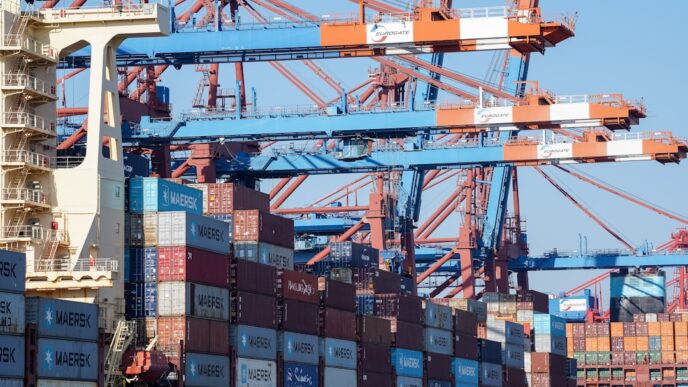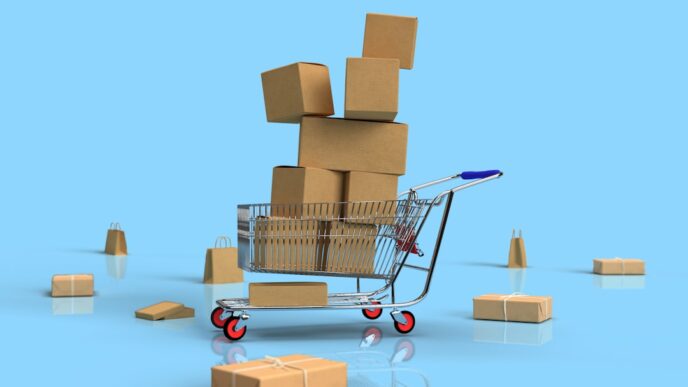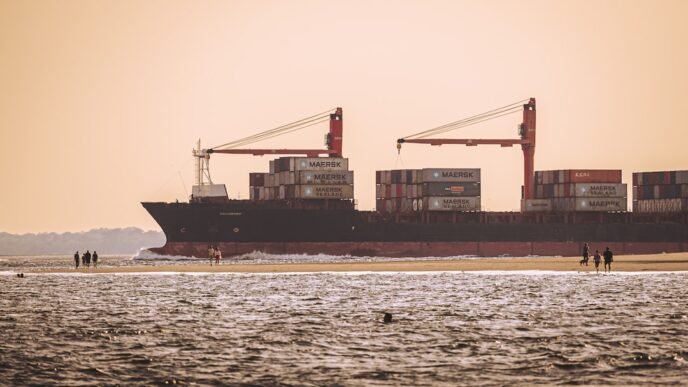

Tariffs, which are taxes imposed on imported goods, can have a significant impact on consumer prices and the overall economy. When a government raises tariffs, the immediate effect is that imported goods become more expensive. This increase in cost typically gets passed down to consumers, who find themselves paying more at the checkout. For example, the tariffs imposed on Chinese goods during the U.S.-China trade war led to higher prices for various products, from electronics to household goods.
The economic ripple effects of tariffs extend beyond just higher consumer costs. As domestic producers face less foreign competition, they may raise their prices, knowing that consumers have fewer alternatives. This can lead to inflationary pressures in the economy. In 2019, the U.S. saw a rise in consumer prices attributed to increased tariffs, leading to concerns about affordability and spending power among households.
Moreover, tariffs can influence the economy by altering trade relationships and supply chains. When tariffs are enacted, businesses may look for alternative sources of materials or goods, potentially leading to inefficiencies or increased costs in production. This shift can affect industries beyond the ones directly targeted by tariffs, creating a broader economic impact. The U.S. steel and aluminum tariffs, for instance, not only impacted those specific industries but also resulted in higher costs for automotive and construction sectors that rely on these materials.
– **Short-Term Effects:**
– Increased prices for consumers on imported goods.
– Potential rise in domestic prices due to reduced competition.
– Immediate inflationary pressure as businesses adjust prices.
– **Long-Term Considerations:**
– Possible retaliatory tariffs from other countries, escalating trade conflicts.
– Changes in consumer behavior as people seek cheaper alternatives.
– Shifts in investment as companies reconsider where to produce goods.
Real-world scenarios illustrate these dynamics clearly. After the U.S. imposed tariffs on steel and aluminum in 2018, many U.S. companies reported higher costs, leading to increased prices for finished goods. As a result, some companies, like Harley-Davidson, announced they would move some production overseas to mitigate the impact of tariffs, highlighting how such trade policies can reshape industry dynamics and employment landscapes.
While tariffs aim to protect domestic industries, they often come with unintended consequences that can strain the economy and affect everyday consumers. Understanding these effects is crucial for both policymakers and consumers, as tariff policy becomes a central topic in discussions about economic health and international relations.