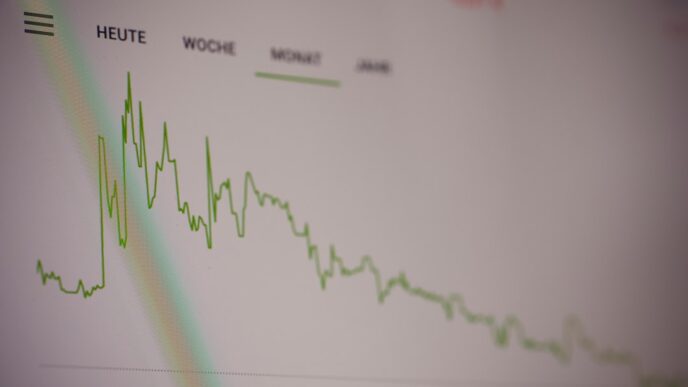

Currency devaluation occurs when a country’s government intentionally lowers the value of its currency relative to other currencies. This can significantly impact the economy in several key ways. Firstly, devalued currency typically makes a country’s exports cheaper and imports more expensive. This price adjustment can stimulate export growth, as foreign buyers find local products more affordable.
For instance, when the Argentine peso was devalued in 2018, local goods became more competitively priced in international markets. As a result, Argentina saw a surge in agricultural exports like soybeans, which helped boost the economy despite the ongoing inflationary pressures.
However, devaluation doesn’t come without its downsides. Import prices rise, leading to higher costs for businesses and consumers dependent on foreign goods. This can result in inflationary pressures as the price of imports contributes to the overall cost of living. For example, following the devaluation of the Turkish lira in 2018, Turkey experienced significant inflation, which affected consumer purchasing power and sparked public discontent.
Additionally, currency devaluation can have broader implications for economic stability and investor confidence. It may signal a lack of control over economic policy, prompting capital flight as investors pull out their funds in search of safer havens. This can lead to a vicious cycle, where the currency loses more value as it becomes less trustworthy.
When evaluating the effects of currency devaluation, consider these key points:
– **Export Growth:** Devaluation can enhance export competitiveness, benefiting sectors that rely heavily on foreign sales.
– **Rising Costs:** Increased import costs can lead to inflation, affecting consumers and businesses that depend on foreign goods and services.
– **Investor Confidence:** A sudden devaluation might deter foreign investment, as it can highlight underlying economic weaknesses.
Countries often use devaluation as a tool to address trade deficits or stimulate growth, but the approach should be carefully managed. Balancing the benefits of improved export performance with the potential for inflation and economic instability is crucial. The long-term success of a devaluation strategy depends on the government’s ability to implement supportive policies that mitigate the negative effects on the economy.