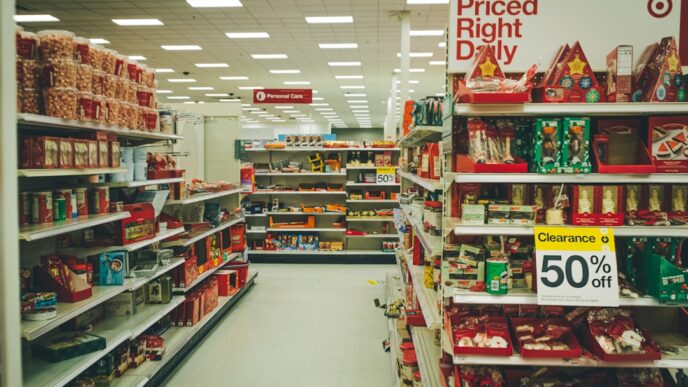

When a country raises tariffs, consumer prices often increase. Tariffs are essentially taxes imposed on imported goods, making them more expensive. As import costs rise, companies that rely on foreign products may pass these costs onto consumers, leading to higher prices on everyday items. For instance, if the U.S. imposes tariffs on steel imports, manufacturers may raise the prices of goods that use steel, such as cars and appliances.
The relationship between tariffs and consumer prices can vary based on several factors:
– **Supply Chain Dependence:** If an industry heavily relies on imported materials, a tariff can trigger a significant price increase. For example, the 2018 tariffs on aluminum and steel led to price hikes in various sectors, including construction and automotive.
– **Market Competition:** In a competitive market, companies might absorb tariff costs to maintain their market share, delaying price increases. However, if a few dominant firms control the market, they may raise prices more swiftly.
– **Consumer Behavior:** If consumers anticipate future price increases due to tariffs, they may rush to purchase goods, further driving up prices in the short term.
Real-world examples illustrate these points. The U.S.-China trade war beginning in 2018 saw significant tariff increases on various products. As tariffs on Chinese imports rose, companies reported higher production costs, leading to increased prices on consumer goods. A report by the Federal Reserve found that prices of affected goods rose significantly, contributing to inflationary pressures.
While some argue that tariffs can protect domestic industries and jobs, they can also lead to broader economic repercussions. Higher consumer prices mean less disposable income for households, potentially dampening consumer spending and slowing economic growth. In turn, this can affect overall demand in the economy.
Tariffs also have implications for inflation. When the cost of imported goods rises, it may contribute to overall inflationary pressures in the economy. The higher cost of goods may prompt central banks to reconsider their monetary policy stance, potentially leading to interest rate changes.
In summary, increasing tariffs can lead to higher consumer prices, influenced by factors such as market dependence on imports, competition, and consumer behavior. The recent experiences of countries like the United States demonstrate how such trade policies can ripple through the economy, affecting everything from household budgets to inflation rates. The balance between protecting domestic industries and maintaining consumer affordability remains a delicate challenge for policymakers.