
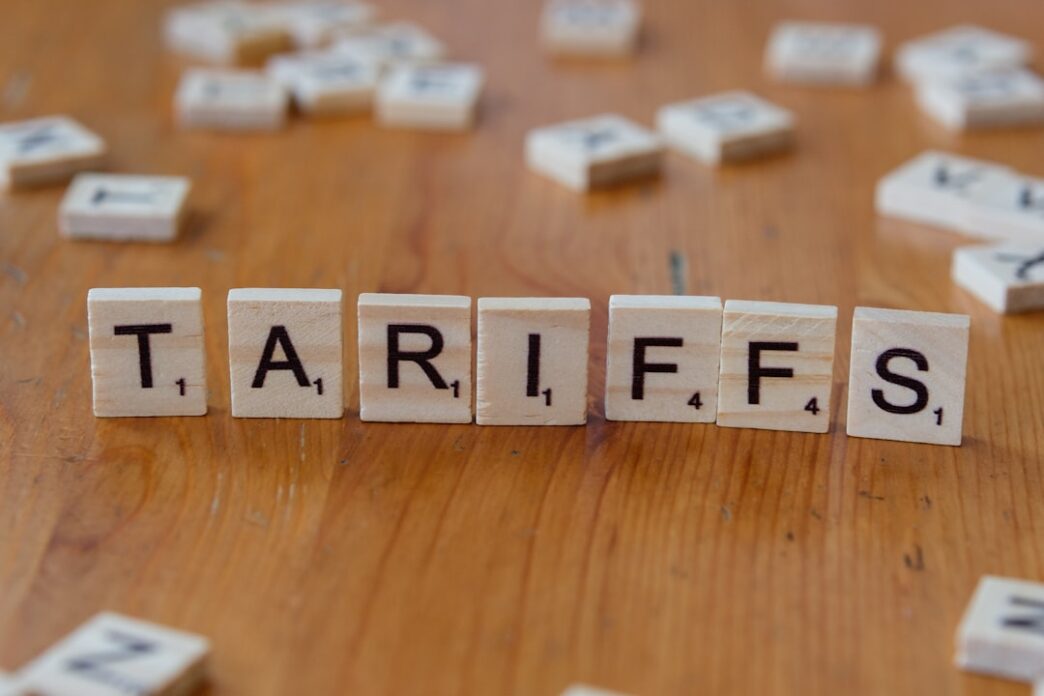
Tariffs are taxes imposed on imported goods, and they can significantly impact a country’s economy in several ways. When a government raises tariffs, it usually aims to protect domestic industries by making foreign products more expensive. This can lead to immediate effects on prices for consumers and competition for local businesses.
One of the primary consequences of increasing tariffs is the rise in prices for imported goods. For example, if the United States imposes higher tariffs on steel imports, the price of steel in the U.S. likely increases. This rise affects various sectors, including construction and manufacturing, which rely heavily on steel. As businesses face higher costs, they may pass these expenses onto consumers, leading to overall inflation in the affected markets.
Moreover, tariffs can provoke retaliatory measures from other countries. For instance, during the trade tensions between the U.S. and China, both nations imposed tariffs on each other’s goods. This not only hurt American farmers who relied on exports to China but also led to a slowdown in trade overall, impacting economic growth. The uncertainty created by tariff disputes can lead businesses to hesitate in making investments, further stalling economic activity.
On the flip side, tariffs can protect domestic jobs in the short term by encouraging consumers to buy locally produced goods over imported ones. However, this protection can be misleading. While some sectors may benefit from reduced foreign competition, others may suffer as input costs rise, and retaliatory tariffs can cripple export markets.
Here are a few key impacts of tariffs on a country’s economy:
– **Increased Prices:** Consumers pay more for imported goods, which can lead to inflation.
– **Market Distortion:** Domestic industries may not innovate or improve efficiency if they face less competition.
– **Retaliation:** Other countries may impose their tariffs, leading to trade wars that harm various sectors.
– **Job Protection vs. Job Loss:** While some jobs in protected industries may be saved, jobs in export sectors can be lost due to retaliatory tariffs.
Countries also have different strategic reasons for implementing tariffs. For example, the U.S. has used tariffs to address trade imbalances and protect national security interests. The Section 232 tariffs on aluminum and steel were justified on the grounds of national security, aiming to reduce dependency on foreign supply chains.
In summary, while tariffs can provide temporary relief to certain industries, they can also lead to higher consumer prices, trade tensions, and long-term economic challenges. Countries must carefully weigh these effects when crafting trade policies, as the implications often reach far beyond immediate market reactions.