
A quiet revolution is underway in the boardrooms of corporations worldwide, one that goes beyond mere profit margins and shareholder satisfaction. This shift is largely driven by the growing importance of Environmental, Social, and Governance (ESG) criteria, but there’s a critical aspect often overlooked: the human factor.
The movement for ethical corporate governance has seen a surge in momentum, with investors increasingly demanding that companies not only disclose their environmental impact but also their social dimensions. While traditional ESG metrics have focused on environmental sustainability and governance structures, the social component—specifically labor rights and community engagement—has emerged as a focal point of scrutiny.
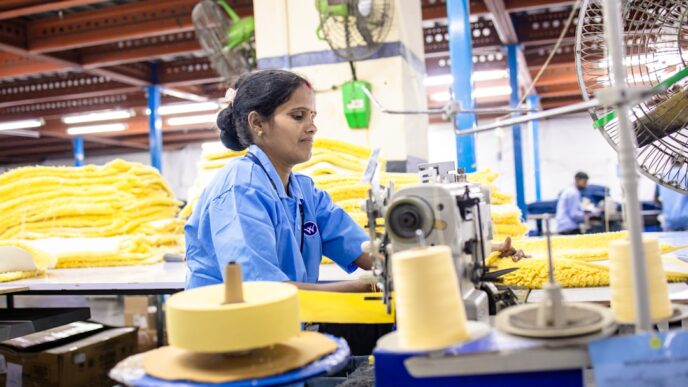
Take the case of Unilever, a multinational giant that has committed to ambitious sustainability goals. However, its supply chain practices have come under fire, particularly regarding labor conditions in developing nations. Here, the company faced backlash from activists and consumers alike when reports surfaced detailing unsafe working conditions and inadequate wages for workers in its supply chains. This outcry did not go unnoticed; Unilever’s leadership has since pledged to enhance transparency and improve labor conditions. This incident serves as a clear reminder that ethical accountability transcends mere compliance with regulations. It is about building trust and maintaining a social license to operate.
In contrast, we can look to Danone, a company that has not only embraced ESG principles but has woven them into its core business strategy. With its One Planet. One Health initiative, Danone emphasizes the interconnection between the health of people and the planet. By investing in fair trade practices and local farming communities, Danone illustrates how a commitment to social responsibility can coexist with financial performance—an increasingly essential narrative for modern businesses.
The push for accountability is fueled by a new generation of consumers who view their purchasing decisions as a form of activism. A recent study by Nielsen indicated that 66% of global consumers are willing to pay more for sustainable brands. This represents a fundamental shift; it is no longer just about the bottom line but about the broader societal impact that companies can have. Brands that neglect this growing demand risk alienating their customer base and facing the wrath of a socially conscious marketplace.
But the impact of this shift extends beyond consumers and companies. Policymakers are beginning to pay closer attention to labor rights within the ESG framework. Recently, the European Union has put forth regulations aimed at holding companies accountable for human rights abuses in their supply chains. This legislative push means companies must go beyond self-regulation and engage in proactive measures to ensure compliance—an expensive but necessary undertaking.
Moreover, the rise of platforms like Fair Trade or B Corporation certification has altered the landscape for corporate responsibility. These frameworks allow consumers to have clearer insight into a brand’s labor practices and social impact, making it more difficult for companies to hide behind greenwashing tactics. As a result, businesses are compelled to genuinely invest in their communities and workforce.
The transition toward a more human-centric approach in ESG criteria is not just a trend; it is becoming the expectation. Companies that fail to adapt may find themselves not only facing reputational damage but also significant economic repercussions as investors increasingly prioritize ethical considerations. The narrative of corporate accountability is evolving, driven by a collective demand for transparency and a commitment to social responsibility that redefines what it means to succeed in the modern economy.