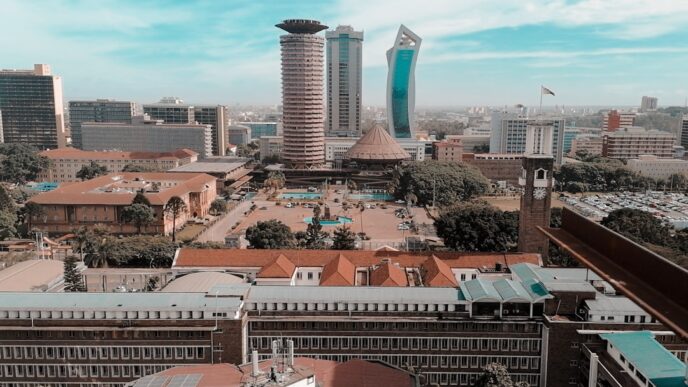

In the bustling streets of Tokyo, an unsettling phenomenon is unfolding. Japan, once heralded for its innovative technology and robust labor force, is facing a demographic crisis exacerbated by automation. While robots and AI have long been integrated into the manufacturing sector, the ongoing shift towards automation is now bleeding into the broader service economy, presenting a perplexing paradox: as productivity soars, labor demand falters.
Take the case of McDonald’s Japan, which recently announced plans to implement self-order kiosks in all its outlets by the end of the year. The fast-food chain’s strategy is clear: reduce labor costs and optimize efficiency. However, the impact is stark. In a nation grappling with a declining birthrate and an aging population, the displacement of workers—many of whom are part-time employees—raises critical questions about the future of employment.
Data from Japan’s Ministry of Internal Affairs and Communications reveals that the country’s workforce has been shrinking since 1998. With a predicted 20% decrease in the working-age population by 2040, the implications of automation could be profound. Instead of merely complementing human labor, technology risks replacing it, leading to a growing divide between those who can adapt and thrive in the new economy and those who cannot.
A recent report by the International Labour Organization underscores this concern, predicting that up to 21 million jobs could be at risk in Japan by 2030 due to technological advancements. The hospitality sector, which heavily relies on part-time and unskilled labor, is particularly vulnerable. While innovations like AI-driven customer service and automated food preparation promise efficiency, they simultaneously threaten livelihoods that form the backbone of local communities.
The government’s response has been a mixed bag. Skeptics argue that policies aimed at encouraging re-skilling and vocational training are insufficient. For instance, initiatives such as the “Future of Work” program launched by the Tokyo Metropolitan Government aim to provide technical training and support for workers displaced by automation. However, critics contend that these programs often lack the resources or reach necessary to make a significant impact.
Moreover, the socioeconomic landscape is evolving. As automation advances, there is a risk that low-wage, low-skill jobs will vanish, leaving behind a hollowed-out labor market. A report from the Japan Institute for Labour Policy and Training highlights that those with less education are particularly likely to suffer from job displacement as companies prioritize efficiency over employment stability.
In the urban sprawl of Osaka, small business owners express similar concerns. A local barista recently replaced part-time staff with a coffee-making robot, citing long-term savings and efficiency. While the decision improved profit margins, it also sparked conversations about the loss of human interactions in service roles. This sentiment resonates across the nation as workers find themselves caught in the crosshairs between technological progress and the need for stable employment.
As Japan navigates this treacherous terrain, the need for a balanced approach is imperative. Policymakers must ensure that technological advancements do not come at the expense of a sustainable labor market. Emphasizing education, social safety nets, and community engagement can mitigate the adverse effects of automation and help create an inclusive economy where both humans and technology coexist harmoniously.