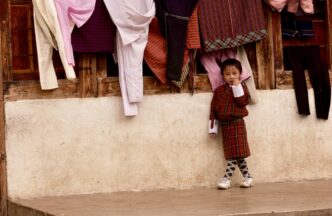
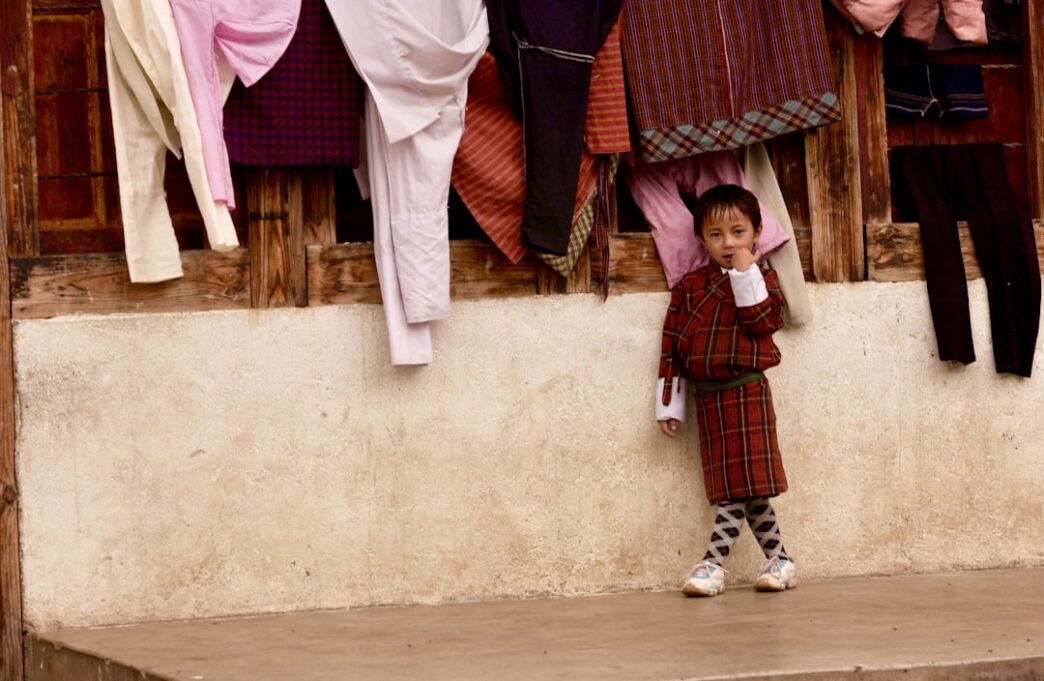
In an age where GDP remains the gold standard for measuring a nation’s well-being, Bhutan is trailblazing an unorthodox path. The small Himalayan kingdom has long been known for its commitment to Gross National Happiness (GNH), a philosophy that prioritizes the well-being of its citizens over mere economic metrics. This approach is garnering new interest as countries around the world grapple with the multifaceted challenges of post-pandemic recovery.
Bhutan’s GNH is predicated on the idea that true progress is not merely financial. The country has enshrined four pillars: sustainable development, cultural preservation, environmental conservation, and good governance. These principles stand in stark contrast to the relentless pursuit of economic growth that defines much of the global landscape. The nation’s unique perspective has drawn attention from economists and policymakers worldwide, particularly in discussions about creating a more equitable and sustainable future.
A recent case study highlights Bhutan’s innovative approach during the COVID-19 pandemic. As global economies crumbled, Bhutan’s focus on health and happiness provided a buffer against the economic shocks experienced elsewhere. The government quickly implemented a series of measures that prioritized mental health services, community resilience, and social cohesion. This was not merely altruistic; it was rooted in a belief that societal contentment spurs productivity and innovation.
Consider the situation in the United States, where a focus on GDP growth has often led to glaring disparities in wealth and health outcomes. The pandemic exacerbated these inequalities, with marginalized communities suffering disproportionately. In contrast, Bhutan’s emphasis on holistic welfare has arguably made its population more resilient during crises. With a relatively low infection rate and enhanced mental health support, the country demonstrated that prioritizing happiness can yield tangible benefits, even amidst hardship.
The GNH model is not without its critiques. Skeptics argue that it lacks the rigor of traditional economic indicators and question its scalability to larger economies. However, the Bhutanese experience suggests that alternative metrics can complement existing models, offering a more nuanced understanding of prosperity. Countries like New Zealand and Scotland have begun experimenting with similar frameworks, incorporating well-being metrics into their policy evaluations.
International organizations, such as the United Nations, have started to take note, promoting the idea of well-being in the context of the Sustainable Development Goals (SDGs). As the world emerges from the pandemic, there is a clear opportunity for nations to reassess their priorities. The flexibility of GNH provides a compelling blueprint for reimagining policy frameworks that address economic inequality and promote holistic well-being.
As the dialogue around economic recovery continues to evolve, Bhutan stands as a beacon of innovation. Its commitment to GNH invites other nations to rethink how success is defined and measured. By prioritizing happiness and well-being, countries can foster an environment where economic growth enhances, rather than undermines, societal welfare. The journey is not easy, but as Bhutan shows, there is a path less traveled that leads to a more equitable future, one where happiness is not just an abstract concept, but a foundational element of economic policy.