
In the heart of metropolises where skyscrapers dominate the skyline, a quiet revolution is taking root—quite literally. As cities grapple with food security challenges, urban agriculture is emerging as a viable solution, promising not only to bolster food availability but also to serve as a catalyst for economic stability.
Take Singapore, for instance. Once heavily reliant on food imports for over 90 percent of its requirements, the city-state has embarked on an ambitious quest to enhance its food resilience. The government has rolled out initiatives like the “30 by 30” goal, aiming to produce 30 percent of its nutritional needs locally by 2030. This is not just a sustainability initiative; it’s a strategic economic maneuver. By investing in vertical farms and rooftop gardens, Singapore is creating jobs, stimulating innovation, and reducing vulnerabilities associated with global supply chain disruptions.
Urban agriculture offers a unique economic model by leveraging unused spaces—balconies, rooftops, and vacant lots. Organizations such as the urban farming social enterprise, Edible Acres, have demonstrated that small-scale, community-driven farming can thrive even in densely populated areas. By turning a neglected plot of land into a productive garden, community members cultivate both crops and relationships, fostering a sense of community resilience that can withstand economic shocks.
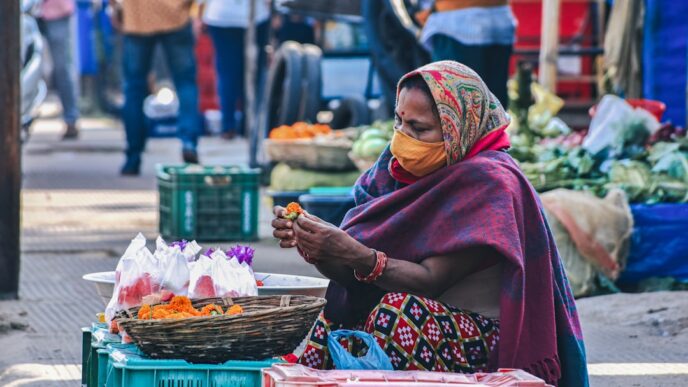
In addition to direct employment, urban agriculture has implications for ancillary sectors. Restaurants sourcing ingredients from local urban farms can market themselves as sustainable, while local farmers’ markets create a vibrant marketplace for small producers. This not only helps stimulate local economies but also enhances food sovereignty, allowing communities to make choices that prioritize their health and economic well-being.
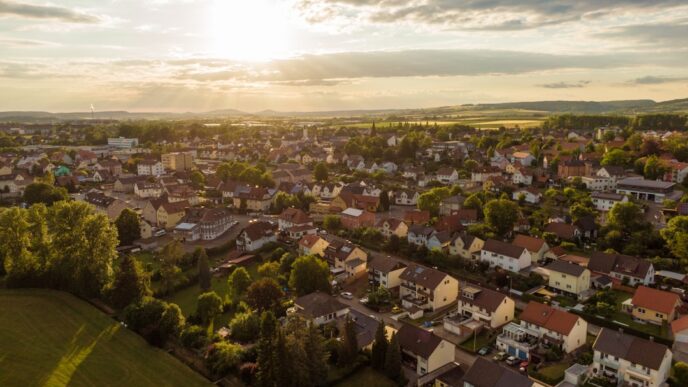
European cities are also catching on. Amsterdam has integrated urban farming into its economic fabric, with policies that support urban horticulture and sustainability initiatives. The “Green Deal” program provides funding for innovative agricultural practices, such as aquaponics and hydroponics, marrying technology with traditional farming. Economic returns from these programs are twofold: they encourage local entrepreneurship and contribute to a greener, more sustainable future.
However, challenges abound. Regulatory hurdles often impede the growth of urban agriculture. Zoning laws may restrict where food can be grown, while traditional agricultural policies might not account for the nuances of urban landscapes. Moreover, access to land remains a pressing issue, particularly in cities where real estate is at a premium. To address these concerns, governments need to foster collaborative environments that involve urban planners, community members, and agricultural experts. Innovative policies that prioritize land use for food production can mitigate these obstacles, creating a more adaptable framework for urban farming.
Globally, the urgency of addressing food insecurity against the backdrop of climate change is paramount. Urban agriculture not only addresses these issues but also presents an opportunity to diversify income sources for urban residents. Communities that invest in growing their own food can experience a ripple effect, enhancing local economies while building sustainable food systems.
As the world moves toward a more uncertain economic landscape, cities like Singapore and Amsterdam are setting a precedent. The interplay between urban agriculture and economic stability is more than a trend; it is a necessary evolution in the way societies think about food, sustainability, and economic resilience. By embracing urban agriculture, cities can cultivate not just crops, but a more robust economic future.